Afghanistan-Pakistan Conflict: A Deep-Rooted Stalemate
The ongoing conflict between Afghanistan and Pakistan is a complex and enduring issue, driven by historical grievances, territorial disputes, and security concerns. This multifaceted struggle has escalated in recent years, with both nations engaging in military actions and diplomatic posturing that threaten regional stability.
Border Disputes: The Durand Line Controversy
At the heart of the conflict lies the Durand Line, a 2,611-kilometer border established in 1893. Afghanistan has never formally recognized this boundary, viewing it as an illegitimate colonial imposition, while Pakistan considers it a settled and official border. This disagreement fuels tensions, as Pashtun communities on both sides of the line advocate for unification with Afghanistan and the implementation of Sharia Law, creating a persistent fault line between the two nations.
Militant Groups and Accusations
Security issues further complicate the relationship. Pakistan accuses Afghanistan of harboring militant organizations, particularly the Tehreek-e-Taliban Pakistan (TTP), which has conducted numerous attacks within Pakistan. Afghanistan denies these allegations, countering that Pakistan uses such groups as a pretext for aggression and noting that the TTP originated from Pakistani madrassas. Critics argue that Pakistan employs terrorism as a state instrument against other countries, a claim that exacerbates mutual distrust.

Cross-Border Attacks and Military Escalation
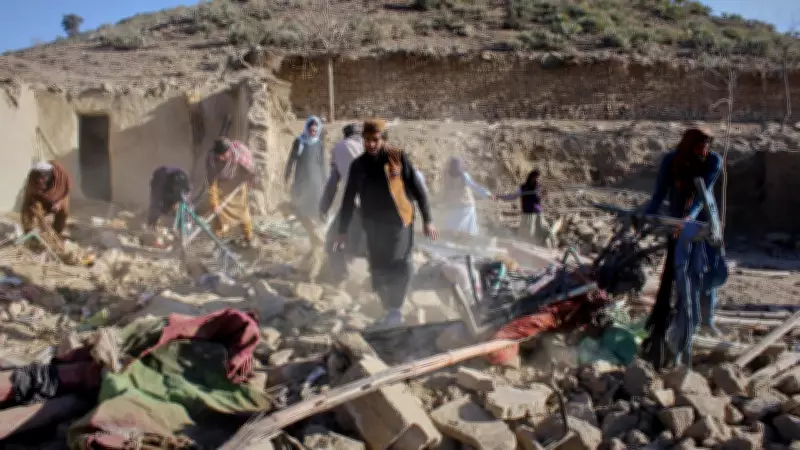
Both countries have launched airstrikes and military operations, each claiming self-defense and targeting militant hideouts. In a significant development, the Taliban has reportedly captured approximately 10 Pakistani border posts and killed nearly 50 Pakistani soldiers using guerrilla warfare tactics. These incidents highlight the volatile nature of the conflict and the difficulty in containing violence along the porous border.
Taliban's Rise and Diplomatic Fallout
Relations deteriorated sharply after the Taliban's takeover of Afghanistan in 2021. Pakistan, which had expected greater cooperation on counter-terrorism efforts, found itself at odds with the new regime, leading to increased friction and a breakdown in communication. This shift has left both sides in a prolonged stalemate, with escalating tensions raising the risk of humanitarian crises in border regions.
Potential Pathways to Resolution
Despite the challenges, several avenues exist for de-escalation and peace. International mediation could play a crucial role, with countries like Iran, Qatar, and Turkey offering to facilitate dialogue. Addressing mutual concerns on counter-terrorism and border management is essential, requiring both nations to engage in sincere diplomacy. The global community, particularly the United Nations, must advocate for stability and encourage Pakistan to control terrorism emanating from its soil.
Mediation Efforts in the Muslim World
- Iran: Has extended offers to mediate between Afghanistan and Pakistan, leveraging its regional influence.
- Qatar: Previously mediated a ceasefire and remains a potential neutral party for future talks.
- Turkey: Maintains diplomatic relations with both countries and could serve as a mediator to bridge differences.
Ultimately, resolving this conflict demands a concerted effort from all stakeholders to prioritize dialogue over confrontation and work toward a sustainable peace.