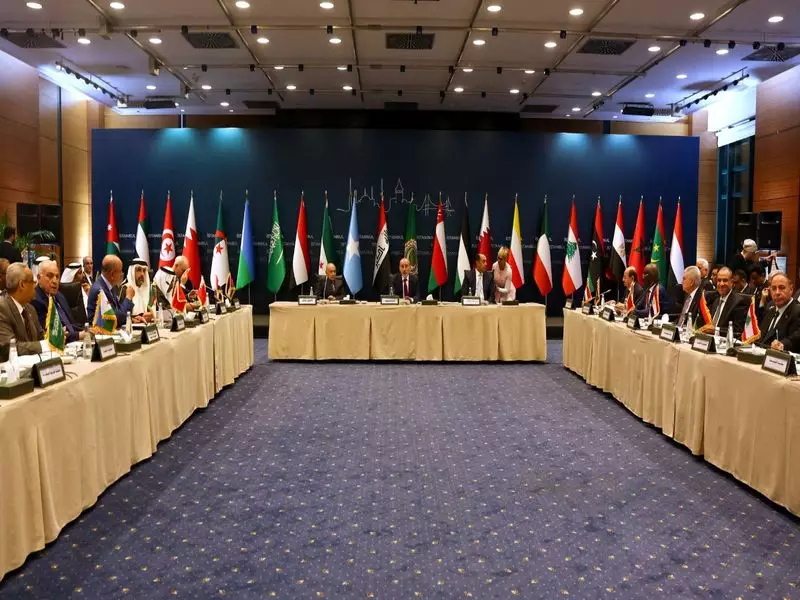
The Arab League has announced it will convene an urgent ministerial meeting to formally reject and condemn Israel's recent decision to recognise the breakaway region of Somaliland. This diplomatic move by Israel is viewed as a direct challenge to the sovereignty and territorial integrity of Somalia, a fellow Arab League member state.
Arab League's Firm Stance Against Recognition
The emergency session was called following an official request from the Republic of Somalia. The Arab League's General Secretariat confirmed the meeting, underscoring the organisation's unified position in support of Somalia's sovereignty and unity. The league's statement explicitly labelled Israel's recognition of Somaliland as an aggressive act that violates international law and Somali sovereignty.
This development represents a significant escalation in regional diplomacy. The Arab League, a consortium of 22 member states, is preparing a collective, robust response to what it perceives as a destabilising action by Israel. The recognition is seen as undermining the fragile political landscape in the Horn of Africa and setting a dangerous precedent.

Details of the Diplomatic Crisis
The core of the dispute lies in Somaliland's status. While Somaliland declared independence from Somalia in 1991, no country or international organisation, including the United Nations or the African Union, has formally recognised it as a sovereign state. Somalia's central government in Mogadishu maintains that Somaliland is an integral part of its territory.
Israel's move to establish formal ties with the administration in Hargeisa, Somaliland's capital, has therefore been met with fierce criticism from Mogadishu and its allies. The Arab League's planned meeting aims to:
- Issue a strong, unified condemnation of Israel's decision.
- Reaffirm unwavering support for the Federal Republic of Somalia.
- Potentially discuss diplomatic measures in response to the recognition.
The timing and full agenda of the emergency ministerial meeting are being finalised, but the intent is clear: to present a solid Arab front against this diplomatic manoeuvre.
Broader Implications and Regional Reactions
This incident is not happening in a vacuum. It adds a new layer of complexity to the already tense and volatile politics of the Horn of Africa. The Arab League's intervention highlights the geopolitical stakes involved, tying the issue to broader Arab-Israeli relations and regional solidarity.
For Somalia, the league's support is a crucial diplomatic victory. It reinforces its legal and political claim over Somaliland on the international stage. For Israel, the move to engage with Somaliland is part of its broader strategy to forge new alliances in Africa and the Muslim world, often in regions or with entities that feel diplomatically isolated.
However, this strategy now faces a coordinated rebuke from the Arab world. The emergency meeting will likely result in official statements and could influence how other African and international bodies respond to the situation. The outcome may also impact future engagement between Arab states and Somaliland, potentially limiting its international outreach.
As the Arab League prepares to gather, the world watches to see the concrete steps it will take. This emergency session underscores the league's role as a platform for collective Arab action and its commitment to defending the territorial integrity of its member states against external actions it deems hostile or illegitimate.