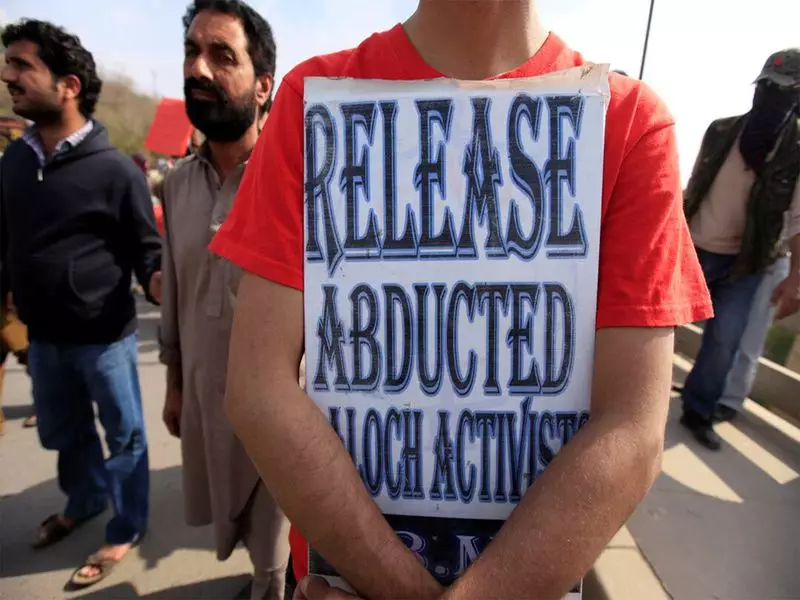
The Baloch Yakjehti Committee (BYC), a prominent rights group, has issued a grave warning regarding a sharp increase in the alleged enforced disappearances of Baloch women in Pakistan. The committee accuses state agencies of orchestrating these abductions, creating a climate of fear and impunity in the restive Balochistan province.
A Pattern of Abductions and Intimidation
According to detailed statements from the BYC, the pattern involves women being forcibly taken from their homes, public spaces, or even educational institutions. The committee asserts that state institutions are directly involved in these operations, which they describe as a systematic tactic to suppress dissent and intimidate the Baloch community. Families of the disappeared are often left without any legal recourse or information about the whereabouts or well-being of their loved ones.
The BYC highlighted that these incidents are not isolated but part of a broader, long-standing campaign of enforced disappearances and extrajudicial actions in Balochistan. The group contends that targeting women, who are often at the forefront of peaceful protests demanding the return of missing male relatives, represents a dangerous escalation in the state's strategy to silence voices.

Families' Pleas and International Appeal
Heart-wrenching accounts from affected families form the core of the BYC's alarm. Mothers, sisters, and daughters live in perpetual anxiety, unsure if they will ever see their missing family members again. The committee is actively documenting these cases and providing a platform for families to share their stories, challenging the official narrative that often labels the missing as militants or criminals.
In its appeal, the Baloch Yakjehti Committee is urging national and international human rights organizations to take immediate notice of the deteriorating situation. They call for independent investigations into the disappearances and pressure on the Pakistani government to adhere to its constitutional and international human rights obligations. The demand is clear: produce the missing women in court if there are charges against them, or release them unconditionally.
Broader Context of Unrest in Balochistan
This crisis unfolds against the backdrop of decades-long instability in Balochistan, Pakistan's largest but least developed province. The region has witnessed a complex conflict involving Baloch nationalist groups, who demand greater autonomy and resource rights, and the state's security apparatus. Enforced disappearances have been a persistent and deeply contentious issue, with thousands of Baloch men reported missing over the years.
The targeting of women activists and family members marks a significant and troubling shift. Human rights observers warn that such actions could further inflame tensions and undermine any prospects for a peaceful political resolution. The BYC's statement serves as a critical reminder that the human rights situation in Balochistan requires urgent global scrutiny and intervention to prevent further escalation and suffering.
The committee's alert underscores a critical juncture where the protection of fundamental rights, particularly for women, is being severely tested. The international community's response to these allegations will be closely watched by human rights defenders and the affected communities in Balochistan.