In a significant diplomatic breakthrough, Cambodia and Thailand have agreed to implement an immediate ceasefire along their shared border. This agreement comes after several weeks of intense and deadly military clashes that raised regional tensions and threatened to destabilize the area.
High-Level Talks Yield Truce Agreement
The breakthrough was announced following a crucial meeting between the prime ministers of both nations. Cambodian Prime Minister Hun Manet and his Thai counterpart, Prime Minister Srettha Thavisin, held talks on the sidelines of an international summit. The leaders directed their respective foreign ministers to formalize the ceasefire agreement promptly.
The core of the agreement mandates an immediate cessation of hostilities. Both sides have committed to instructing their troops stationed along the contentious border to halt all offensive actions. This directive aims to prevent any further loss of life and property damage in the disputed zone.

Roots of the Conflict: A Long-Standing Dispute
The recent flare-up is rooted in a decades-old territorial dispute centered around the Preah Vihear temple, a UNESCO World Heritage Site. The International Court of Justice awarded the temple itself to Cambodia in 1962, but the surrounding land remains a subject of conflicting claims. This ambiguity has been a persistent source of friction, leading to periodic outbreaks of violence.
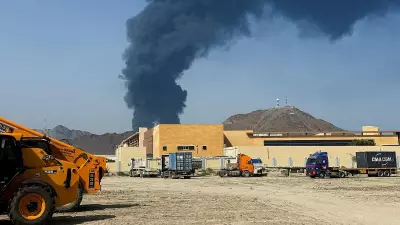
The latest round of clashes, which began in early April, was notably severe. Reports from the ground indicated the use of heavy weaponry, including artillery and mortars. The fighting resulted in:
- Displacement of thousands of civilians from border villages.
- Damage to homes and local infrastructure.
- Casualties on both sides, though official numbers were not fully disclosed.
The escalation prompted urgent calls for restraint from within the Association of Southeast Asian Nations (ASEAN) and the wider international community.
Path Forward: Diplomacy and De-escalation
The ceasefire agreement marks the first critical step towards lasting peace. However, it is widely viewed as an initial de-escalation measure rather than a permanent solution. The underlying border demarcation issues remain unresolved and will require sustained diplomatic engagement.
The agreement opens the door for several next steps:
- Stabilization: Ensuring the ceasefire holds on the ground, which may involve direct communication channels between local military commanders.
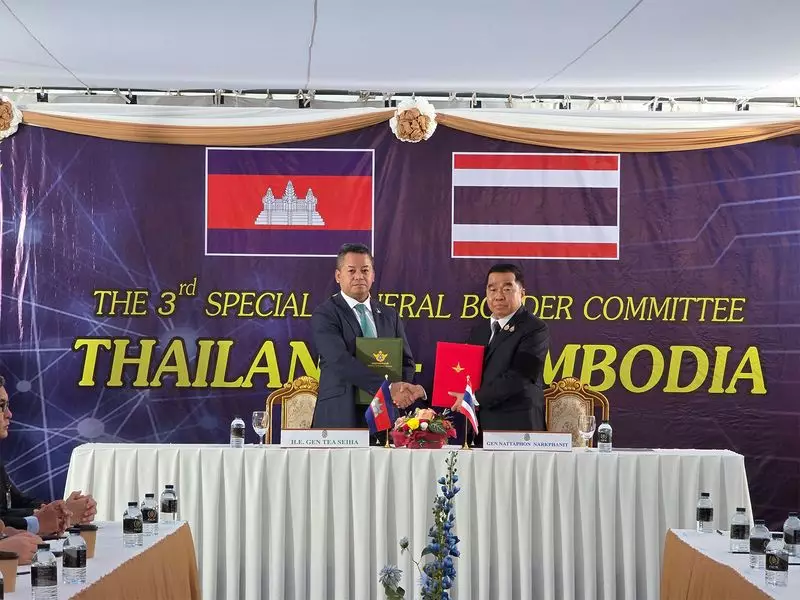
- Dialogue: Resuming bilateral talks through established joint border committees to address the technical aspects of the demarcation.
- Confidence-Building: Potentially reintroducing joint development projects in the area to foster cooperation and mutual benefit.
This development is being closely watched as a test case for ASEAN diplomacy and its principle of conflict resolution. A successful and lasting truce between Cambodia and Thailand would reinforce regional stability and set a positive precedent for managing similar disputes among member states.
For now, residents along the border can hope for a return to normalcy, as the guns fall silent following the high-level political intervention. The world awaits to see if this pause in violence can be transformed into a durable peace.