

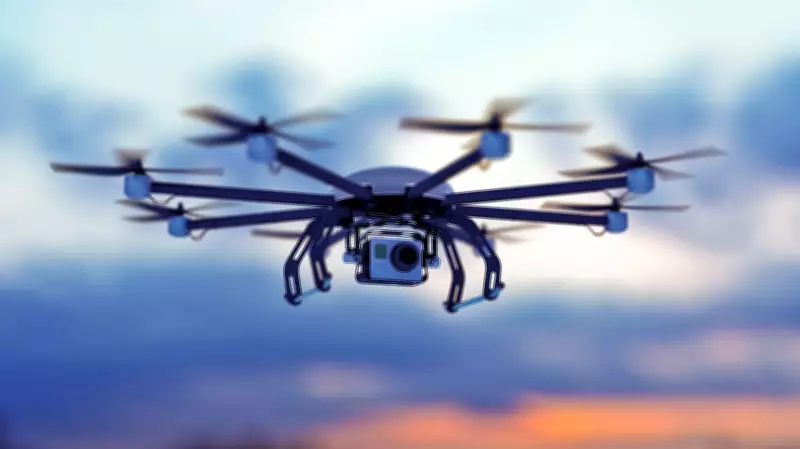
Cheap Drones in Iran War: A Wild Card with Global Implications
In the ongoing conflicts in Iran, inexpensive drones have emerged as a significant and unpredictable factor, reshaping modern warfare dynamics. The Shahed drones, in particular, stand out as a prime example of how low-cost technology can challenge traditional military strategies and global security frameworks.
The Shahed Drones: A Cost-Effective Weapon
The Shahed drones are manufactured using readily available, off-the-shelf parts, making them remarkably affordable and easy to produce. These components can be sourced from commercial markets, allowing for rapid assembly without the need for sophisticated industrial facilities. This approach not only reduces production costs but also accelerates deployment timelines, giving Iran a tactical advantage in conflict zones.
One of the key features of these drones is their assembly process, which requires only a smaller workshop compared to traditional military manufacturing sites. This was highlighted by a recent incident where the United States targeted a site near Isfahan University of Technology. The strike underscored the vulnerability of such production hubs, yet it also revealed how dispersed and adaptable these operations can be, making them harder to eliminate entirely.

Implications for Global Security
The use of cheap drones like the Shahed models introduces a wild card element into warfare, as they can be deployed in large numbers with minimal financial investment. This challenges conventional defense systems, which are often designed to counter more expensive and technologically advanced threats. The affordability and accessibility of these drones mean that non-state actors and smaller nations can now wield significant aerial capabilities, potentially destabilizing regions and complicating international diplomacy.
Moreover, the reliance on off-the-shelf parts raises concerns about supply chain security and the potential for proliferation. As these components are widely available, it becomes increasingly difficult to monitor and control their use in military applications. This trend could lead to a new era of asymmetric warfare, where cost-effective tools level the playing field against more powerful adversaries.
Future Outlook and Strategic Responses
Looking ahead, the proliferation of cheap drones in conflicts like the one in Iran is likely to continue, driven by their tactical benefits and low barriers to entry. Nations and international organizations may need to develop new countermeasures, such as advanced detection systems or diplomatic efforts to regulate component sales. The strike near Isfahan University of Technology serves as a reminder of the ongoing efforts to curb such threats, but it also highlights the persistent challenges in doing so effectively.
In conclusion, the Shahed drones exemplify how innovation in cheap weaponry is transforming modern conflicts. As a wild card in the Iran war and beyond, they demand increased attention from global security experts to mitigate risks and adapt to evolving battlefield realities.






