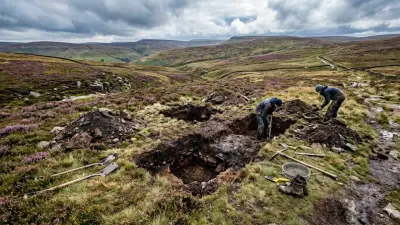
The dream of a better life for his family led Ramnarayan Baghel from his impoverished village in Chhattisgarh to the southern state of Kerala. Within days, that dream was brutally extinguished. On December 17, Ramnarayan was lynched by a mob in Attappallam, in Kerala's Palakkad district, mistaken for a thief and accused of being a Bangladeshi national. His journey, fueled by hope and desperation, ended in a tragic and violent death far from home.
Karhi to Kerala: A Journey of Necessity
Karhi, a paddy-growing village in Chhattisgarh's Sakti district, is a world away from Kerala. The village grapples with fast-depleting groundwater, a broken health system, and a high school 15 kilometres away. For Ramnarayan, a resident of the Dalit (Satnami) part of the village, staying meant watching his debts grow, his two sons—aged 9 and 10—struggle in school, and his half-built house under the Pradhan Mantri Awas Yojana (PMAY) remain incomplete for lack of funds.
His wife, Lalita, recounts the financial pressure that forced his hand. Earlier this year, Ramnarayan fell ill from dust at local construction sites and needed a month's rest. The family borrowed approximately Rs 60,000 for medical expenses and household costs, adding to an existing loan for their PMAY home. "He kept telling me that others from the village were making good money in Kerala," Lalita said.

The Reluctant Migration and a Fateful Decision
Ramnarayan's cousin, Shashikant Baghel, a labour supervisor in Kerala, became his link to potential work. Shashikant explained the economic lure: "In Raipur, a skilled worker gets Rs 500 but there is no scope for overtime. If one makes Rs 15,000 a month here, in Kerala, you can make up to Rs 40,000." He had already facilitated the migration of about 60 people from his village to Palakkad.
Yet, Ramnarayan was hesitant. He had never worked outside Chhattisgarh. After receiving Rs 1,500 from Shashikant, he left on December 13 with three others, including Ranjit Kumar Baghel. Their journey involved a 45-km bus ride to Champa station, followed by a gruelling two-night, one-day trip in the general coach of the Korba-Thiruvananthapuram Superfast Express.
His homesickness was immediate. "The day after we reached Kerala, we left for work and Ramnarayan said he was returning home. He looked like he was missing his wife," Ranjit recalled. Ramnarayan had even told Ranjit, "Mujhe nahi jamega, bahut door hai, mein Chhattisgarh me hi kaam kar loonga (This won't work, it's too far from home…I will work in Chhattisgarh)." Despite attempts to persuade him, he was determined to return.
A Family's Loss and an Unfinished Home
Five days after Ramnarayan left home, his mother received a call from the Kerala Police. The questions were ominous, inquiring about his behaviour and criminal record. His uncle, Lakheshwar Baghel, who took the call, assured them he was a simple man. Soon after, the devastating news of his lynching arrived.
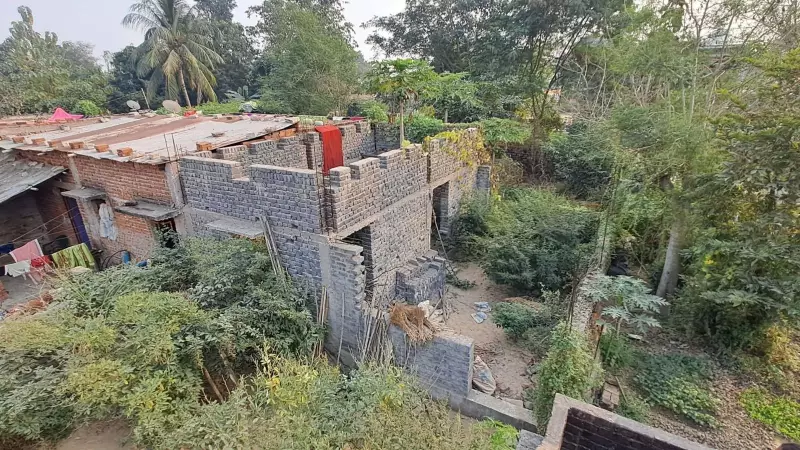
Back in Karhi, the stark reality of his unfinished dreams remains. The family lives in a cluster of brick-and-asbestos homes. Ramnarayan's own two rooms have exposed bricks and dupattas for doors. Directly opposite, separated by scruffy outgrowth, stands the incomplete structure of his PMAY home—walls built, construction halted for want of funds.
His primary motivation for migrating was to fund his sons' education and complete that house. His cousin Shashikant confirmed, "He said he needed money for his sons' education, his mother's health, and to finish his house." Now, the family is left with grief, debt, and the haunting memory of a journey that began with hope and ended in unimaginable violence.