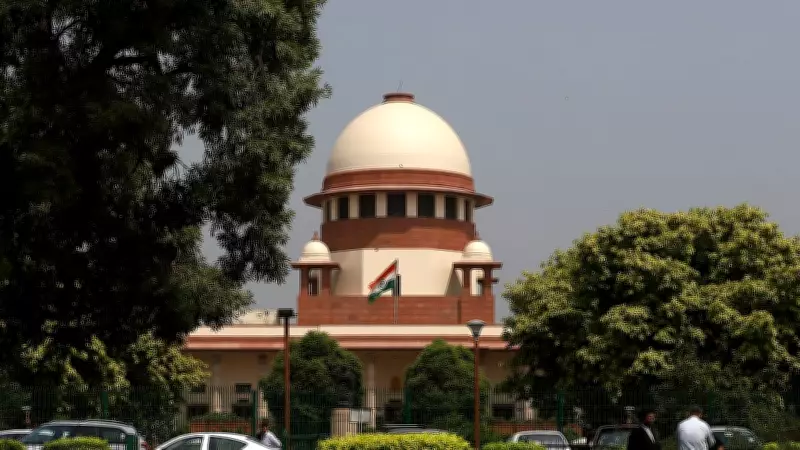
The Delhi Police has approached the Supreme Court seeking a reference to a larger bench to review the stringent bail provisions under the Unlawful Activities (Prevention) Act (UAPA). Additional Solicitor General S V Raju, representing the police, argued before a bench of Justices Aravind Kumar and P B Varale that the May 18 judgment in the case of Syed Iftikhar Andrabi requires reconsideration.
Background of the Case
The plea stems from the Supreme Court's recent interpretation of UAPA's bail conditions, which the police claim could hinder investigations into serious offenses. The May 18 ruling had set a precedent by easing some restrictions, prompting the Delhi Police to seek clarity through a larger bench.
Key Arguments
- Larger Bench Reference: The Additional Solicitor General emphasized the need for a authoritative interpretation of Section 43D(5) of UAPA, which imposes strict bail conditions.
- Impact on National Security: The police argued that the current judgment could weaken the fight against terrorism by making it easier for accused individuals to secure bail.
- Judicial Precedent: The May 18 decision in the Andrabi case was cited as the basis for the review request, as it deviated from earlier strict interpretations.
Legal Implications
If the Supreme Court agrees to refer the matter to a larger bench, it could lead to a comprehensive re-evaluation of UAPA's bail framework. Legal experts suggest that this move reflects the ongoing tension between individual liberties and national security concerns. The bench has not yet announced a date for further hearing.

Reactions
The development has drawn attention from civil liberties groups, who argue that any tightening of bail provisions could undermine fundamental rights. Meanwhile, government officials have supported the police's stance, emphasizing the need for robust anti-terror laws.
The Supreme Court's decision on whether to form a larger bench will be closely watched, as it could set a significant precedent for future UAPA cases.