

Syria's Sectarian Unrest: Druze-Bedouin Tensions Escalate in Sweida and Deraa
In a troubling development highlighting deep-seated sectarian divisions, tensions between Druze and Bedouin communities have ignited significant unrest in southern Syria. The conflict, centered primarily in the Sweida and Deraa governorates, has led to displacement and humanitarian concerns, with families seeking refuge in makeshift shelters.
Displacement and Shelter Crisis Amidst Government Agreements
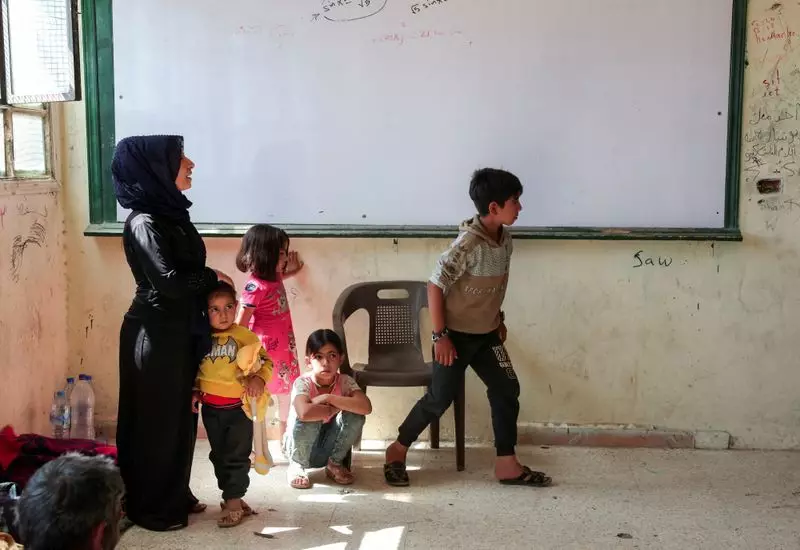
Recent reports indicate that Bedouin families have been forced to leave the Sweida Governorate as part of a negotiated agreement between the Syrian government and Druze militants. These displaced individuals are currently residing in a school that has been repurposed as a shelter center in the neighboring Deraa Governorate. This situation underscores the fragile nature of local agreements and their immediate impact on civilian populations.
Understanding the Druze Community
The Druze represent an esoteric religious community with a significant presence in southern Syria, particularly in the Suwayda province, as well as in Lebanon and Israel. While they are Arabic-speaking, their religious beliefs and practices are distinct from mainstream Sunni Islam, contributing to their unique identity within the region's complex sectarian landscape.

This religious distinction has historically positioned the Druze in a delicate balance, often navigating alliances and conflicts with other groups. The current tensions with Bedouin communities highlight how these sectarian fault lines can erupt into violence and displacement, especially in areas already strained by broader regional conflicts.
Broader Implications for Regional Stability
The unrest between Druze and Bedouin groups is not an isolated incident but reflects deeper issues within Syria's post-conflict recovery. Key factors include:
- Governance Challenges: The Syrian government's role in mediating agreements between militant groups and communities often leads to temporary solutions that may not address root causes.
- Humanitarian Impact: The use of schools as shelters disrupts education and highlights the ongoing need for humanitarian aid in conflict-affected areas.
- Sectarian Dynamics: These tensions underscore how religious and ethnic identities continue to influence local politics and security in Syria.
As the situation evolves, monitoring these sectarian fault lines will be crucial for understanding stability in southern Syria and the wider Middle East. The displacement of Bedouin families serves as a stark reminder of the human cost of such conflicts, urging international attention to humanitarian needs and long-term reconciliation efforts.






