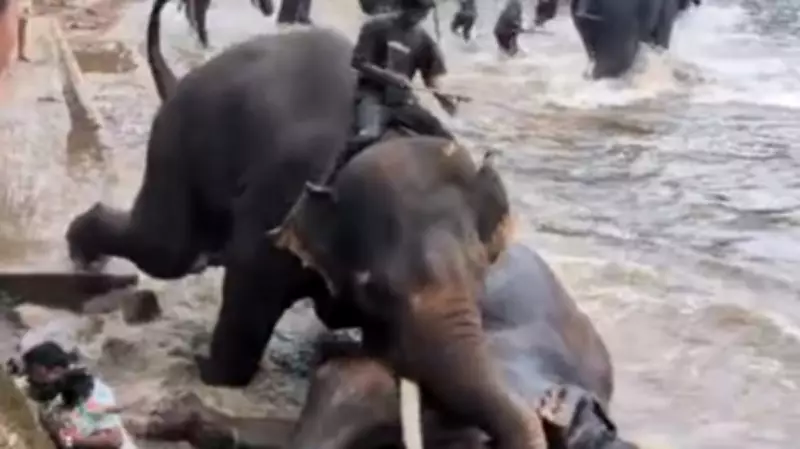
A recent tragic incident at the Dubare elephant camp in Karnataka has once again brought to the forefront the critical safety risks that plague the tourism industry. The accident, which resulted in the loss of life, has sparked outrage and raised serious questions about the adequacy of safety measures in place at such popular tourist destinations.
The Incident
The mishap occurred when a tourist ventured too close to an elephant, leading to a fatal attack. Preliminary investigations suggest that there were no proper barriers or warning signs to prevent such close encounters. This negligence, critics argue, is symptomatic of a broader lack of safety protocols in many of India's tourist attractions.
Safety Lapses Exposed
The Dubare tragedy is not an isolated event. Similar incidents have been reported across the country, from tiger reserves to hill stations, where inadequate safety measures have led to avoidable deaths. The common thread in these tragedies is the failure of authorities to enforce basic safety standards. In Dubare, for instance, the absence of trained guides and protective barriers directly contributed to the accident.

- Insufficient barriers: Many tourist sites lack physical barriers to keep visitors at a safe distance from wild animals.
- Lack of training: Staff are often untrained in handling emergencies or managing tourist behavior around dangerous animals.
- Poor signage: Warning signs are either missing or not prominent enough to alert visitors of potential dangers.
Broader Implications
The tragedy has wider implications for the tourism industry, which is a major contributor to the economy. Incidents like these not only tarnish the image of a destination but also deter potential visitors. The government and tourism authorities must take immediate steps to restore confidence by implementing stringent safety measures.
Need for Regulatory Reforms
Experts are calling for a comprehensive review of safety regulations across all tourist attractions. This includes mandatory safety audits, certification of guides, and the installation of proper infrastructure. The Karnataka government has announced a probe into the Dubare incident, but activists argue that piecemeal actions will not suffice. A systemic overhaul is needed to prevent such tragedies from recurring.
- Mandatory safety audits: Regular inspections of all tourist sites to ensure compliance with safety standards.
- Training programs: Comprehensive training for staff in risk assessment, emergency response, and crowd management.
- Public awareness campaigns: Educating tourists about the risks and responsible behavior when visiting wildlife areas.
Conclusion
The Dubare tragedy is a grim reminder that safety cannot be taken for granted in the tourism sector. While the industry focuses on providing memorable experiences, it must not overlook the fundamental responsibility of protecting lives. As the investigation unfolds, it is imperative that the lessons learned lead to concrete actions that make tourism safer for everyone.