

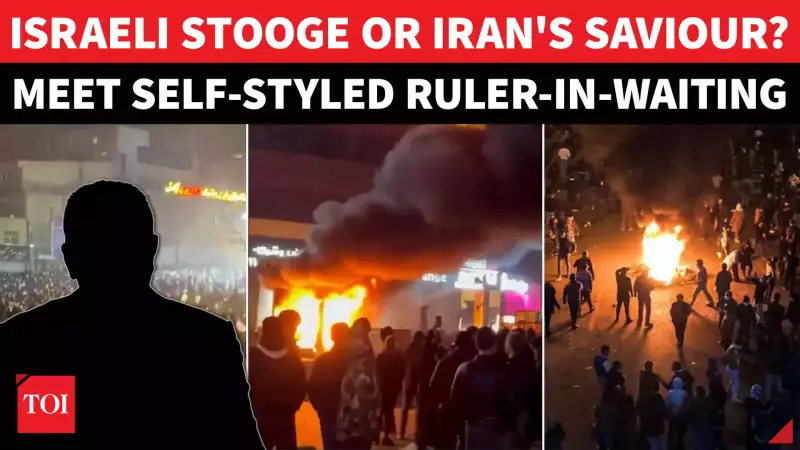
Iran stands on the precipice of a monumental shift as a nationwide uprising, openly supported by exiled Crown Prince Reza Pahlavi, challenges the decades-old rule of the Ayatollahs. The son of Iran's last Shah has become a central figure for millions of protesters, with scenes of defiance lighting up cities across the country.
The Face of the Revolt: Reza Pahlavi's Call to Arms
From his place in exile, Reza Pahlavi has taken a bold and direct stance. He has publicly urged the Iranian people not to abandon the streets, transforming scattered demonstrations into a cohesive movement. His message extends beyond the protesters to the very forces propping up the regime.
Pahlavi has made a direct appeal to Iran's security forces, calling on them to stand with the people instead of against them. This strategic move aims to fracture the regime's foundation. Furthermore, he has revealed a detailed 100-day transition plan for a post-regime Iran, offering a glimpse of a potential future and moving beyond mere criticism to practical governance.

A Nation Ignites: Protests Spread Across Iran
The response on the ground has been massive and sustained. The iconic chant "Pahlavi Will Return" has echoed through the heart of Tehran, becoming a powerful slogan of resistance. Night after night, the skies over Iranian cities have been lit by flames, symbols of both anger and hope.
Demonstrations have now been reported in more than 220 locations, indicating a truly nationwide revolt that is difficult for authorities to contain. The human cost is tragically rising, with the death toll climbing as clashes between protesters and state forces intensify. The widespread nature of the unrest suggests the Islamic Republic is facing one of its most severe internal crises.
Historical Echoes and an Uncertain Future
Reza Pahlavi's involvement inevitably draws parallels to Iran's pre-1979 history under the Pahlavi monarchy, which was overthrown to establish the current theocratic state. His emergence as a rallying point presents a stark alternative to the existing order, though opinions on his role remain deeply divided both inside and outside Iran.
Some view him as a unifying symbol and a legitimate heir to a different national legacy, while critics label him an outsider or a puppet of foreign interests. Despite an internet crackdown by the regime, videos of the riots, torched cars, and defiant crowds continue to circulate globally, keeping international attention focused on the unfolding drama.
With a clear leader, a strategic plan, and unprecedented public participation, Iran now finds itself at a historic turning point. The coming days will be crucial in determining whether this uprising can maintain its momentum and fundamentally alter the country's political landscape, or if the entrenched regime will succeed in suppressing it once more.






