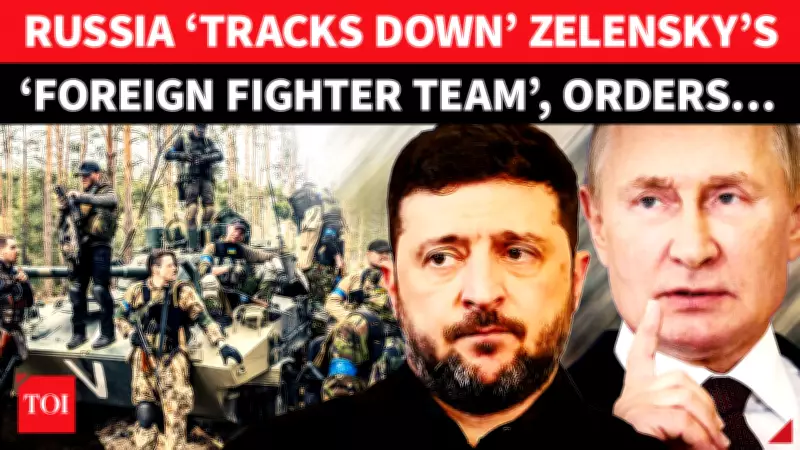
As the protracted conflict in Ukraine continues with no immediate resolution in sight, a concerning new dimension is emerging far from the actual frontlines. Recent investigative reports have uncovered that networks dedicated to recruiting foreign fighters are still actively operational, particularly across various Latin American nations. These networks are utilizing modern digital platforms and clandestine travel arrangements to facilitate the flow of combatants into the war zone.
Digital Recruitment and Covert Travel Routes
Recruiters are exploiting live streaming services, social media channels, and encrypted communication tools to openly attract individuals willing to join the fighting. Simultaneously, they have established secret flight paths and travel routes to transport these fighters into Ukraine, bypassing conventional immigration and security checks. This persistent activity occurs despite numerous governments implementing bans and restrictions on mercenary participation in foreign conflicts.
Legal Loopholes and International Accusations
Those organizing these recruitment efforts claim to be operating within legal gray areas, citing loopholes in international conventions and domestic legislation that allow them to justify sending fighters into active combat zones. Meanwhile, Russia has intensified its accusations against Kyiv, alleging that Ukraine is increasingly dependent on foreign manpower as its own military losses continue to mount. Russian authorities have issued stern warnings that any foreign fighters captured will be treated as legitimate military targets rather than protected combatants under international law.

The ongoing recruitment highlights significant challenges in enforcing global norms against mercenary activities during modern warfare. As digital platforms make cross-border recruitment easier than ever before, and as conflict persists, the flow of foreign fighters appears likely to continue, complicating diplomatic efforts and potentially prolonging hostilities.