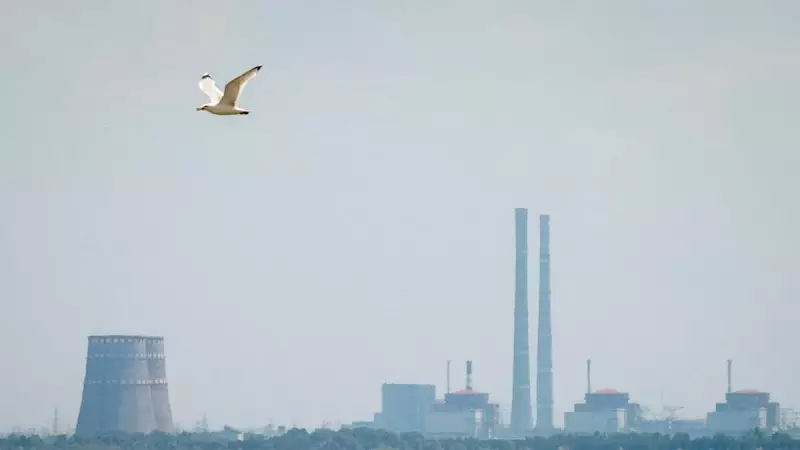
The fate of Europe's largest nuclear power facility, the Zaporizhzhia plant in Ukraine, remains a critical flashpoint in the ongoing conflict. Its future is now formally part of diplomatic negotiations, having been included as one of twenty points in a peace framework presented by Ukrainian President Volodymyr Zelenskyy. The situation continues to raise profound safety concerns for the region and the world.
Current Status and Critical Risks
The Zaporizhzhia nuclear power plant has been under Russian military control since early March 2022, shortly after the full-scale invasion began. However, it is still operated by its Ukrainian technical staff under extremely difficult and pressurized conditions. The primary danger stems from the potential disruption to the plant's essential cooling systems, which require a constant and reliable supply of electricity.
If external power is lost, the plant must rely on emergency diesel generators to prevent the nuclear fuel from overheating. Any failure in this chain could lead to a catastrophic radiation release. The area around the plant has repeatedly come under shelling, with both sides accusing each other of attacks, creating a persistent state of high alert for international nuclear watchdogs like the International Atomic Energy Agency (IAEA).

Why Control of the Plant Matters to Both Sides
For Russia, the strategic value of the Zaporizhzhia facility is multifaceted. Militarily, it provides a formidable fortified position and a potential shield, calculating that Ukrainian forces would be hesitant to fire upon a live nuclear site. Politically and symbolically, controlling the plant that once supplied about 20% of Ukraine's electricity is a powerful lever, allowing Moscow to exert pressure on Ukraine's energy security and economy.
For Ukraine, regaining control is a matter of national sovereignty, energy independence, and eliminating a colossal safety threat held within its own borders. The plant is a vital national asset, and its loss severely impacts the country's power grid. President Zelenskyy's inclusion of the plant in his peace proposal, dated 27 December 2025, underscores its non-negotiable importance for any lasting settlement.
The Path Forward and International Role
The central question now is how the issue will be resolved within the broader peace talks. Zelenskyy's framework likely demands the full demilitarization and return of the plant to sovereign Ukrainian control. The international community, particularly the United States and European nations, plays a crucial role in applying diplomatic pressure and supporting safety initiatives.
The potential involvement of the US and other global powers could be pivotal in guaranteeing security protocols or even acting as neutral guarantors for the facility's safe transition. The ultimate goal is to de-escalate the immediate nuclear safety crisis and find a permanent, secure solution for the plant's management, ensuring it never becomes an instrument of war again.
The world continues to watch closely, hoping diplomacy prevails over disaster at this volatile site.