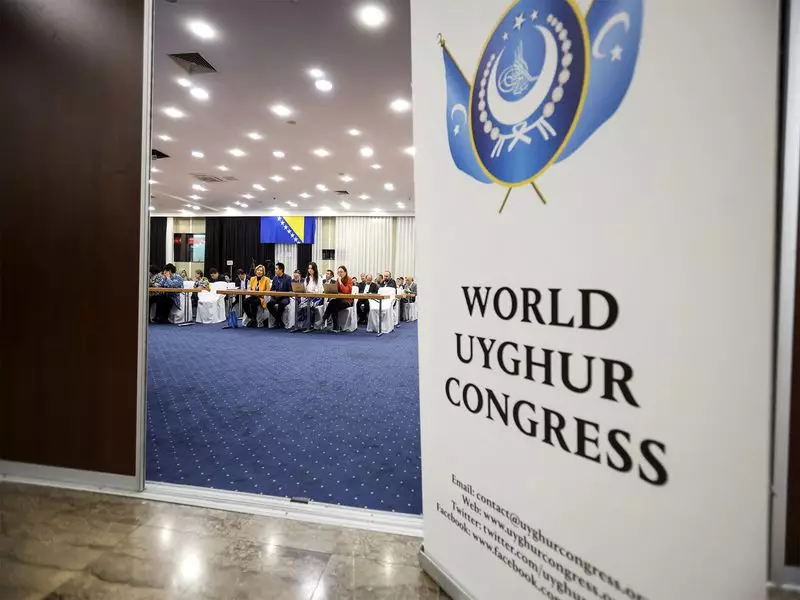
International pressure is mounting against the Chinese government over its treatment of Uyghur Muslims and other Turkic minorities in the Xinjiang region. A growing chorus of nations, lawmakers, and human rights organizations is vocally challenging Beijing's policies, which have been widely condemned as systematic repression. This global pushback coincides with a significant intensification of advocacy efforts by Uyghur diaspora groups, who are rallying support on the world stage.
International Condemnation and Legislative Action
The criticism is no longer confined to Western powers. Notably, a coalition of 51 UN member states, including a diverse group like Turkey, Saudi Arabia, Syria, Egypt, Pakistan, Qatar, and Algeria, issued a joint statement in October 2023 defending China's policies in Xinjiang. However, this move was counterbalanced by a separate statement from 52 countries, led by Canada, expressing grave concerns about the human rights situation. This diplomatic split highlights the issue's complexity and its role in global geopolitical alignments.
Beyond statements, concrete legislative actions are being taken. The United States has been at the forefront, implementing the Uyghur Forced Labor Prevention Act (UFLPA). This law, which came into effect in June 2022, presumes that all goods made in Xinjiang involve forced labor and bans their import unless proven otherwise. The European Union is also moving towards similar measures, with a proposed ban on products linked to forced labor gaining traction. Furthermore, countries like Britain, Canada, and the Netherlands have officially labeled China's actions as "genocide".

Rising Voice of Uyghur Advocacy Groups
Parallel to governmental actions, Uyghur advocacy organizations are becoming more organized and influential. Groups such as the World Uyghur Congress (WUC), the Uyghur Human Rights Project (UHRP), and the East Turkistan National Awakening Movement are leading the charge. They are effectively lobbying foreign parliaments, filing lawsuits against Chinese officials, and raising public awareness through sustained campaigns.
A significant recent development was the International Conference on East Turkistan held in Tokyo, Japan, in December 2023. This gathering, which included exiled political leaders, activists, and scholars, aimed to unify the global Uyghur movement and strategize for greater self-determination. The conference called for the establishment of an independent state of "East Turkistan," marking a more assertive stance in their demands.
These groups leverage compelling personal testimonies from survivors and satellite imagery analysis to counter Beijing's narrative of "vocational training centers" and "counter-terrorism" measures. Their evidence paints a picture of mass internment, forced labor, cultural erasure, and severe restrictions on religious freedom.
China's Response and Global Repercussions
The Chinese government has consistently denied all allegations of human rights abuses. It frames its policies in Xinjiang as necessary for stability, counter-terrorism, and economic development. Beijing aggressively counters criticism, labeling it as interference in its internal affairs and part of a Western plot to contain China's rise.
However, the global pushback is having tangible effects. The forced labor laws are disrupting supply chains, compelling multinational corporations to scrutinize their links to Xinjiang. This has created economic and reputational risks for businesses operating in or sourcing from the region. Diplomatically, the issue has become a persistent thorn in China's relations with several democracies, complicating broader bilateral engagements.
The situation remains a critical flashpoint in international relations. As Uyghur advocacy groups strengthen their global networks and more countries consider punitive legislation, the pressure on Beijing is unlikely to subside. The world's response to the crisis in Xinjiang is evolving into a significant test for the international human rights framework and the rules-based global order.