The Palestinian militant group Hamas has officially confirmed the deaths of two of its most prominent leaders in the Gaza Strip. The announcement marks a significant development in the ongoing conflict with Israel.
Key Figures Declared Dead
In a statement released on its official Telegram channel, Hamas confirmed that its top leader in Gaza, Yahya Sinwar, and the commander of its military wing, the Al-Qassam Brigades, known as Abu Ubaida, have been killed. The group stated they "became martyrs" but did not provide specific details regarding the date or circumstances of their deaths.
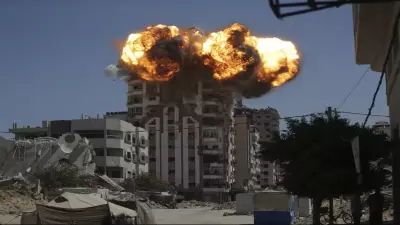
This confirmation from Hamas comes after repeated claims by the Israeli military. The Israel Defense Forces (IDF) had previously stated that it targeted and eliminated Sinwar in an operation in Gaza's southern city of Khan Younis. The IDF had been conducting intense military operations in the area, which they identified as a key Hamas stronghold.

Who Were the Leaders?
Yahya Sinwar was widely regarded as the most influential Hamas figure within the Gaza Strip. He played a crucial role in the group's strategic planning and was a central figure in the October 7 attacks on Israel that triggered the current war. His leadership was pivotal to Hamas's governance and military operations in the enclave.
Abu Ubaida, whose real name is often reported as Izz al-Din al-Qassam, served as the public face of the Al-Qassam Brigades. He was known for his televised addresses, often delivering messages of defiance and updates on the conflict. His role was critical in military communications and morale.
Implications for the Conflict and Region
The elimination of these two high-profile leaders is seen as a major blow to Hamas's command structure in Gaza. Analysts suggest this could significantly disrupt the group's operational capabilities and chain of command in the short term. However, experts also warn that it may not immediately end the conflict, as Hamas has a decentralized leadership and could regroup.
The news arrives amidst stalled ceasefire negotiations and ongoing military operations. The confirmation is likely to be presented by the Israeli government as a key achievement in its stated war aims of dismantling Hamas's leadership. The political and military repercussions of this development are expected to influence the dynamics of the war, potential hostage deals, and the future governance of Gaza.
Regional and international reactions are being closely watched. The deaths of Sinwar and Abu Ubaida could alter the negotiating positions of all parties involved. The future path of the conflict, humanitarian efforts, and long-term stability in the region now enter a new, uncertain phase following this pivotal announcement.