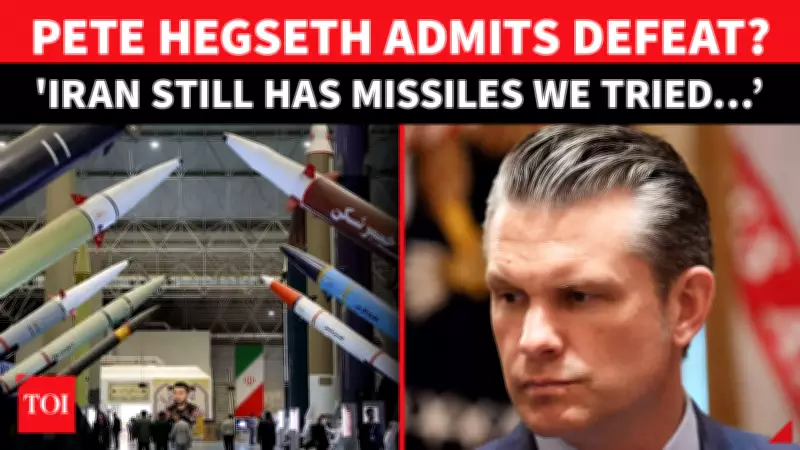
US Defense Secretary Pete Hegseth has admitted that Iran still possesses missile capabilities despite weeks of intense American and Israeli bombardment, even as he insisted Tehran’s ability to manufacture new weapons has been crippled. Speaking during a cabinet meeting, Hegseth claimed Iran could no longer build fresh missiles, drones, or naval assets after sustained military pressure and sweeping economic restrictions imposed by Washington.
Hegseth’s remarks came amid ongoing tensions in the Middle East, where the US and its allies have conducted extensive airstrikes targeting Iranian military infrastructure. The admission that Iran remains missile-ready highlights the challenges of neutralizing Tehran’s arsenal through aerial campaigns alone. Analysts suggest that Iran’s dispersed and hardened missile sites, combined with its domestic production capacity, make complete disarmament difficult.
Impact of Economic Sanctions
The US has tightened economic sanctions on Iran, targeting its oil exports, banking system, and access to international markets. Hegseth argued that these measures have significantly hindered Iran’s ability to procure components for advanced weapons systems. However, he conceded that existing stockpiles of missiles and drones remain a threat.

Regional Reactions
Iranian officials have dismissed Hegseth’s claims, asserting that their military capabilities are intact and that they can continue to produce weapons despite sanctions. Meanwhile, allies in the region, including Israel and Saudi Arabia, have expressed cautious optimism about the effectiveness of the campaign but remain vigilant against potential Iranian retaliation.
The admission comes as the Biden administration faces scrutiny over its strategy in the region. Critics argue that the bombardment has failed to achieve its primary objective of eliminating Iran’s missile threat, while supporters point to the degradation of Iran’s manufacturing capacity as a significant victory.
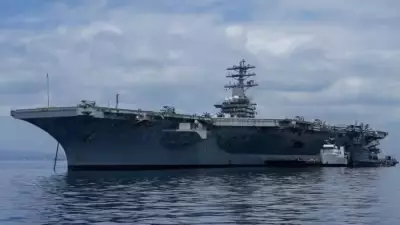
In related developments, the US military has deployed additional naval assets to the Persian Gulf to deter any Iranian aggression. The Pentagon has also increased intelligence-sharing with partners to monitor Iranian missile movements. Despite these efforts, experts warn that Iran’s missile program remains a potent force capable of striking targets across the region.