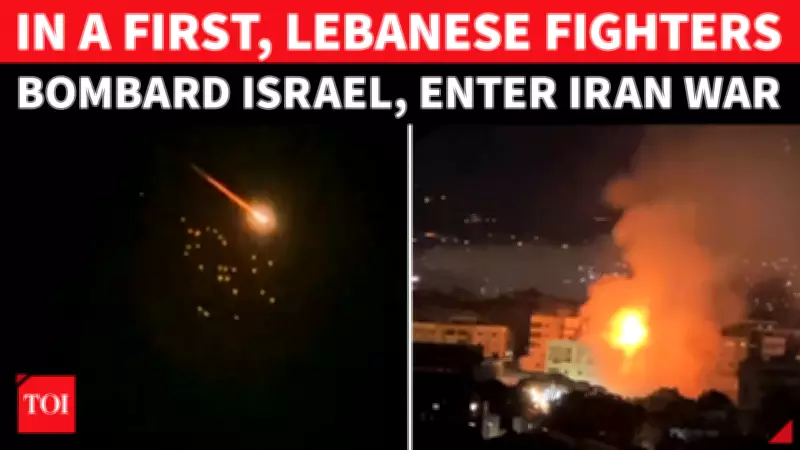
Hezbollah Bombards Israel in First Strike Since US-Brokered Ceasefire
The Israeli Defence Forces (IDF) confirmed on March 2, 2026, that rockets were launched from Lebanon into northern Israel, marking the first such attack since a US-brokered ceasefire in November 2024. According to Hebrew-language reports, the Lebanese militant group Hezbollah was responsible for the bombardment, which it claimed was in retaliation for the killing of Iran's Supreme Leader Ayatollah Ali Khamenei.
Details of the Attack and Israeli Response
The IDF stated that it intercepted one rocket, while others fell in open areas, causing no immediate casualties. Sirens warned residents of incoming rockets and suspected drone infiltrations near the northern border. Hezbollah pledged to confront aggression and claimed strikes near Haifa, though this was not independently verified.
In response, the IDF initiated Operation Roaring Lion, targeting Hezbollah sites across Lebanon. Israeli officials declared readiness for an all-fronts scenario, escalating tensions in the region. This development comes amid heightened border tensions following Khamenei's death, which has sparked a wave of retaliatory actions by Iranian proxies.

Background and Regional Implications
The ceasefire, established in late 2024 with US mediation, had temporarily reduced hostilities between Israel and Hezbollah. However, the recent attack underscores the fragility of such agreements in the volatile Middle East. Analysts suggest that Hezbollah's move could signal a broader escalation, potentially drawing in other actors like Iran and the United States.
This incident highlights the ongoing challenges in maintaining peace in the region, as historical grievances and geopolitical rivalries continue to fuel conflict. The international community is closely monitoring the situation, with concerns about a wider war that could destabilize neighboring countries and impact global security.