Hezbollah Unleashes Aggressive Strikes Across Middle East, Israel Responds with Iron Beam
In a significant escalation of regional tensions, the Lebanon-based militant group Hezbollah launched an aggressive wave of strikes across the Middle East late Sunday. This military action came in direct response to the killing of Iran's Supreme Leader Ayatollah Ali Khamenei and several top leaders in Tehran just a day earlier. Hezbollah, flexing its military strength in fury, sought revenge for the death of the influential Shia leader by targeting locations it viewed as hostile, with a primary focus on Israel.
Israel's Defense Systems Spring into Action
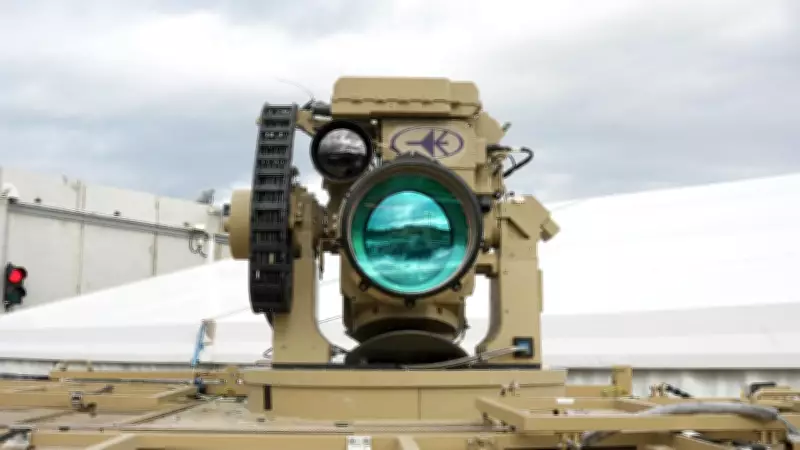
In Israel, some of the incoming missiles were intercepted by the country's powerful defense system known as the Iron Beam. This marked the first-ever operational use of this advanced technology, as confirmed by the Israel War Room on social media platform X. A video released by the Israel War Room showcased the capabilities of the Iron Beam, described as Tel Aviv's "new era of warfare" defense system. The footage vividly depicted Hezbollah missiles lighting up the night sky before being neutralized mid-air, effectively eliminating the threat and reducing risks to the Benjamin Netanyahu-led country.
The military escalation across the Middle East followed what the United States described as its most ambitious joint military effort with Israel aimed at toppling the Tehran regime. Washington dubbed the operation Operation Epic Fury, while Israel carried out its strikes under Operation Lion's Roar. Apart from the modern Iron Beam technology, Israel also relies on its widely known Iron Dome defense system, a key pillar of its air defense network and a symbol of the country's military innovation.

Understanding the Iron Beam Defense System
Israel signed contracts worth more than $500 million this week with domestic defense companies Rafael Advanced Defense Systems and Elbit Systems to expand the production of the Iron Beam air defense system. Developed alongside the Iron Dome, the Iron Beam is designed to neutralize a wide range of aerial threats, including missiles, drones, rockets, and mortars, according to Israel's defense ministry. Israeli officials say the technology could usher in "a new era of warfare" as the country faces growing threats from Iran and Lebanon's Hezbollah.
The Iron Beam has been under development for more than a decade. It was first unveiled in 2014 and was declared operational in September after completing development and final testing. The system is not intended to replace existing air defense networks but rather to complement them. It is specifically designed to intercept smaller projectiles, allowing larger and more complex threats to be handled by more powerful missile-based systems such as David's Sling and the Arrow missile defense system.
Advantages and Limitations of Laser-Based Defense
Unlike traditional interceptor missiles, the laser-based system relies on a continuous energy source. As long as power is available, the system does not risk running out of ammunition. Israeli officials have therefore described the technology as a potential "game-changer" in defending against projectile attacks. However, the system does have limitations. Laser weapons tend to be less effective in low-visibility conditions, such as heavy cloud cover, dust, or other adverse weather, which can weaken or scatter the beam.
This deployment comes at a critical juncture in Middle Eastern geopolitics, with regional powers positioning themselves in response to the vacuum created by Khamenei's death. The conflict highlights the ongoing tensions between Iran-backed groups like Hezbollah and Israel, with the United States playing a significant supporting role in regional military operations.