

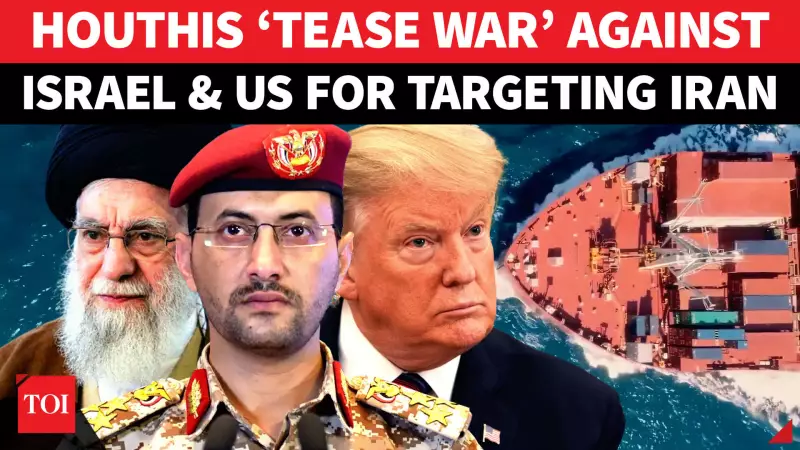
Houthis' Chilling 'Soon' Teaser Ignites Fresh Middle East Crisis
A fresh wave of geopolitical tension is rippling across the volatile Middle East region after Yemen's Iran-backed Houthi rebels released a short but profoundly ominous video flashing a single, chilling word: "Soon." This cryptic message comes at a critical juncture as a formidable U.S. aircraft carrier group moves closer to the strategic Persian Gulf waters, with Washington issuing stern warnings to Tehran about potential military action.
Escalating Maritime Threats And Regional Mobilization
The Houthi faction, which has previously claimed responsibility for attacking more than 100 commercial and military vessels in the crucial Red Sea shipping lanes, appears to be signaling its readiness to resume aggressive maritime strikes in direct support of its principal ally, Iran. This development coincides with concerning reports of allied militia groups across the broader Middle East issuing urgent mobilization calls, potentially preparing for coordinated defensive or offensive operations.
Analysts interpret the Houthis' deliberately vague "Soon" video as a psychological warfare tactic designed to create uncertainty and demonstrate continued capability despite international pressure. The timing is particularly significant as it aligns with heightened U.S. naval movements toward Iranian territorial waters, creating a perfect storm of military posturing that could easily escalate into open conflict.

Strategic Implications For Global Security
The convergence of these events represents one of the most dangerous flashpoints in recent Middle Eastern history. The Houthis' demonstrated ability to disrupt vital international shipping routes, combined with Iran's expanding regional influence through proxy forces, presents a complex security challenge for Western powers and their allies. The United States' decision to deploy additional warships to the area underscores the seriousness with which Washington views the escalating situation.
Regional observers note that this latest provocation follows a pattern of calculated brinkmanship by Iranian-backed groups, who frequently test international red lines while maintaining plausible deniability. The "Soon" message serves multiple purposes: it warns adversaries of impending action, demonstrates solidarity with Tehran, and maintains psychological pressure on commercial shipping interests that rely on Middle Eastern waterways.
As diplomatic channels remain strained and military assets continue to converge in the Persian Gulf region, the international community watches with growing concern. The coming days may determine whether this tense standoff can be resolved through dialogue or whether the Houthis' ominous "Soon" warning will materialize into another devastating chapter of Middle Eastern conflict with global repercussions.






