

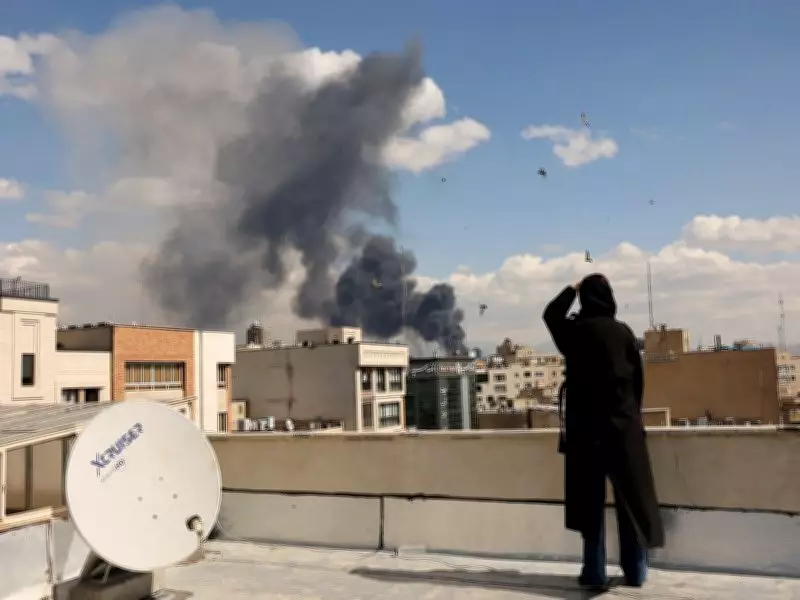
IDF Launches Major Offensive Against Iranian and Hezbollah Military Infrastructure
The Israeli Defense Forces (IDF) have conducted a significant military operation, striking more than 200 Iranian targets and over 140 Hezbollah sites across the region. This large-scale offensive aims to systematically dismantle the military infrastructure of these groups, which Israel views as direct threats to its national security.
Scope and Scale of the Strikes
According to official statements from the IDF, the operation involved precision strikes on a wide array of military assets. The targets included weapons storage facilities, command and control centers, rocket launch sites, and intelligence gathering posts operated by Iranian forces and Hezbollah militants. The strikes were carried out using advanced aerial and missile capabilities, demonstrating Israel's commitment to preemptively counter perceived aggression.
The primary objective of this operation was to degrade the operational capabilities of both Iranian and Hezbollah forces in the area. By targeting over 340 sites in total, the IDF seeks to disrupt supply chains, destroy weapon stockpiles, and eliminate key personnel involved in planning and executing attacks against Israeli interests.

Regional Implications and Security Concerns
This escalation comes amid heightened tensions in the Middle East, with ongoing conflicts and proxy wars involving various state and non-state actors. The IDF's actions underscore Israel's proactive defense strategy, often referred to as the "Begin Doctrine," which advocates for striking potential threats before they can materialize into direct attacks.
Analysts suggest that such operations are intended to send a clear message to Iran and its allies about the consequences of building military infrastructure near Israeli borders. The strikes also highlight the complex geopolitical dynamics in the region, where Israel frequently engages in covert and overt actions to counter Iranian influence and Hezbollah's growing arsenal.
Response and Future Outlook
While immediate reactions from Iran and Hezbollah have been limited in public statements, experts anticipate possible retaliatory measures, which could further escalate hostilities. The international community, including major powers, is closely monitoring the situation, with calls for restraint to prevent a broader regional conflict.
Looking ahead, the IDF has indicated that it will continue to monitor and respond to threats as necessary, emphasizing its right to defend its sovereignty. This operation may set a precedent for future military engagements, as Israel remains vigilant against any attempts to undermine its security through proxy forces or direct military build-ups.
In summary, the IDF's strikes on over 200 Iranian and 140 Hezbollah targets represent a significant military effort to dismantle hostile infrastructure, reflecting ongoing security challenges in the volatile Middle East landscape.






