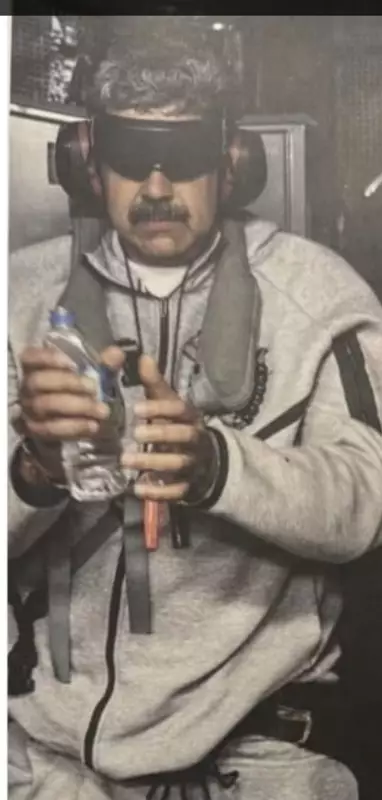
The internet has once again proven that no global event is too serious for a dose of humour. A recent diplomatic spat between the United States and Venezuela has become the unlikely catalyst for a massive wave of memes, with Indian social media users leading the charge in creative and hilarious commentary.
The Spark That Lit the Meme Fire
The situation unfolded when Venezuelan President Nicolás Maduro claimed, in a televised address, that the United States was planning to "invade" his country. This claim was reportedly based on intelligence suggesting a potential threat. In response, the US State Department firmly denied any plans for military action. A spokesperson stated they were "not aware of any planned invasion" and dismissed the allegations as "baseless."
This exchange of accusations, typical of international diplomacy, was all the fuel the internet needed. Netizens, particularly in India, quickly seized upon the theatrical nature of the claims and counter-claims, transforming a tense geopolitical moment into a source of widespread amusement.

From Geopolitics to Gigabytes: The Memes Take Over
The meme ecosystem reacted with characteristic speed and absurdity. A dominant theme involved comparing the situation to popular Bollywood dialogues and scenes, where dramatic confrontations are a staple. Users superimposed the faces of US and Venezuelan officials onto famous movie posters and clips, captioning them with exaggerated threats and denials.
Another popular trend saw memes referencing everyday Indian scenarios to explain the tension. Jokes about a "neighbourhood aunty" spreading rumours or comparisons to heated arguments over parking spots made the complex diplomatic standoff relatable and funny. Popular formats like the "Distracted Boyfriend" and "Woman Yelling at a Cat" were repurposed to depict the US, Venezuela, and other nations watching the drama unfold.
Twitter, Instagram, and Facebook became the primary battlegrounds for this humorous content. Hashtags related to the event started trending, with users competing to post the wittiest take. The memes didn't just mock the situation; they often cleverly highlighted the cyclical and sometimes performative nature of such international disputes.
Why Memes Matter in Modern Discourse
This incident is a textbook example of how internet culture processes global news. Memes act as a form of crowd-sourced satire, offering a way for the public to engage with, critique, and decompress from serious headlines. For many, especially younger audiences, memes are a primary lens through which world events are interpreted and discussed.
The viral response to the US-Venezuela tensions shows that the digital public square is no longer just for sober analysis. It is equally a space for collective humour and creative expression. While the underlying issues are real, the meme flood demonstrates a desire to reclaim the narrative from official channels and process it through a familiar, often irreverent, cultural language.
Ultimately, the meme storm had a unifying effect online, bringing together users from different backgrounds to share a laugh. It served as a reminder that in today's hyper-connected world, the reaction to a political statement can be just as impactful—and far more entertaining—than the statement itself. The diplomats may have moved on, but the legacy of this episode lives on in the saved meme folders of thousands of netizens.