

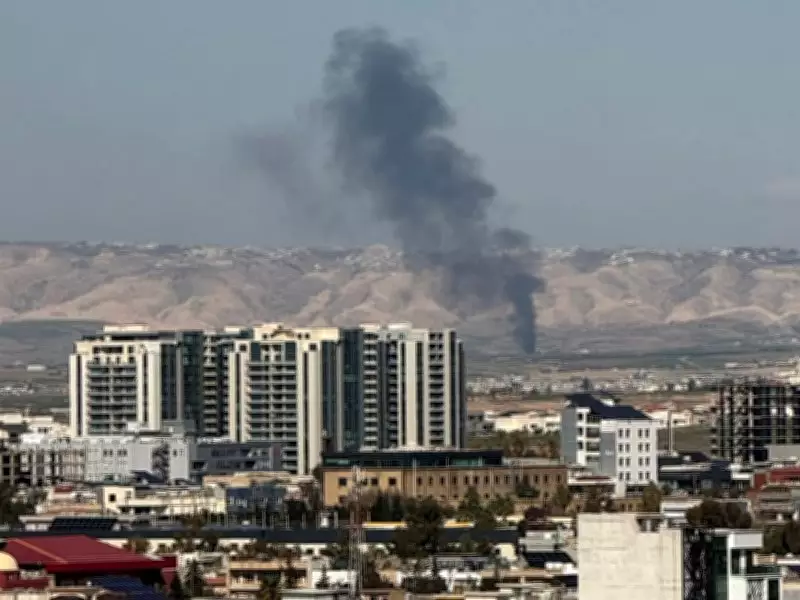
Iran-Allied Islamic Resistance Claims 19 Attacks Against US Bases in Iraq
The Iran-allied Islamic Resistance in Iraq has publicly claimed responsibility for a series of 19 distinct attacks targeting United States military bases and installations across Iraq. This announcement marks a significant escalation in regional hostilities, underscoring the volatile security situation in the area.
Details of the Attacks
The group, which maintains close ties with Tehran, stated that these assaults were carried out over a recent period, though specific dates and locations were not fully disclosed in their initial claim. Reports indicate that the attacks primarily involved drone strikes and rocket fire aimed at US facilities, including the Ain al-Asad airbase and other strategic outposts. No immediate confirmation of casualties or extensive damage has been provided by US authorities, but the incidents highlight the persistent threat faced by American forces in the region.
Regional Context and Implications
This development occurs against a backdrop of heightened tensions between Iran and the United States, fueled by ongoing conflicts such as the Israel-Hamas war and broader geopolitical rivalries. The Islamic Resistance in Iraq, a coalition of militias aligned with Iran's Islamic Revolutionary Guard Corps, has previously been implicated in similar attacks, aiming to pressure US troops to withdraw from the Middle East. Analysts suggest that these latest claims could signal a coordinated effort to destabilize US military presence and influence in Iraq, potentially drawing the country deeper into regional proxy conflicts.

International Reactions and Security Concerns
In response to the claimed attacks, US officials have reiterated their commitment to defending personnel and assets in Iraq, while calling for de-escalation to prevent further violence. The Iraqi government, caught between its alliances with both Iran and the US, faces mounting challenges in maintaining security and sovereignty. Key points of concern include:
- The risk of increased civilian casualties and infrastructure damage in Iraq.
- Potential retaliatory measures by the US or its allies, which could exacerbate regional instability.
- The impact on diplomatic efforts to resolve conflicts and promote peace in the Middle East.
As tensions simmer, the international community watches closely, with calls for dialogue and restraint to avoid a broader confrontation. The situation remains fluid, with ongoing assessments of the attacks' veracity and their implications for global security dynamics.






