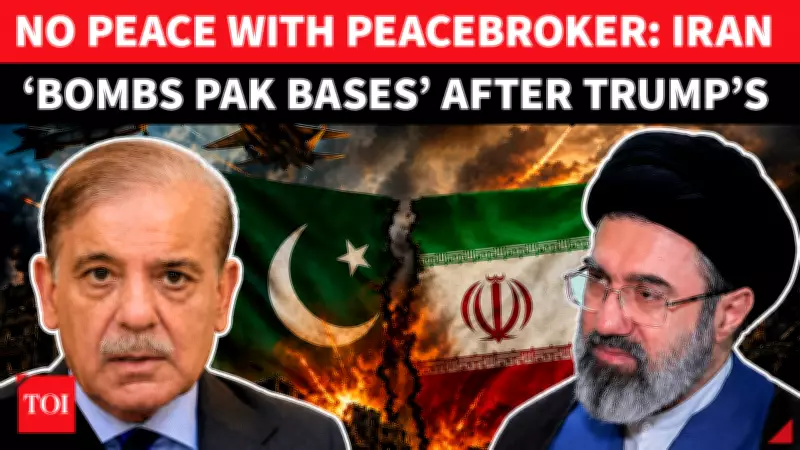
Tensions between Iran and Pakistan have flared once again after Iranian security forces said they dismantled an operational cell of the militant group Jaish al-Adl following an alleged infiltration from across the Pakistani border. Iranian officials described the strike as a counter-terrorism operation against militants responsible for recent attacks, citing a long-running dispute over cross-border insurgent activity in the Sistan-Baluchestan and Balochistan regions.
Renewed Hostilities
The operation, which took place late Tuesday, involved precision strikes on what Tehran described as terrorist hideouts. This development comes amid fragile peace negotiations between the two neighboring nations, which have been strained by mutual accusations of harboring militants. The Islamic Republic has long accused Pakistan of providing safe haven to Jaish al-Adl, a Sunni militant group that has carried out attacks on Iranian soil. Pakistan, in turn, denies the allegations and has called for dialogue to resolve differences.
Cross-Border Insurgency
The Sistan-Baluchestan province in Iran and Pakistan's Balochistan region have been flashpoints for insurgent activity. Jaish al-Adl, which means Army of Justice, has claimed responsibility for several deadly attacks against Iranian security forces. Tehran's latest military action underscores its frustration with what it views as inadequate action by Islamabad to curb the militant threat. Analysts warn that such unilateral strikes risk escalating into a broader conflict, especially as both countries grapple with internal political pressures.

Peace Talks in Jeopardy
The bombing comes at a critical juncture, as Iran and Pakistan were reportedly engaged in backchannel talks to de-escalate tensions. However, the latest incident has cast doubt on the prospects for a peaceful resolution. Diplomatic sources indicate that Pakistan has summoned the Iranian ambassador to protest the violation of its sovereignty. Meanwhile, Iran's foreign ministry defended the operation as a legitimate act of self-defense, urging Pakistan to cooperate in combating terrorism.
Regional Implications
The flare-up adds to the volatility in a region already beset by conflicts in Afghanistan and the Middle East. Both Iran and Pakistan are nuclear-armed states, and any sustained confrontation could have far-reaching consequences. International observers have called for restraint and a return to diplomatic channels. The United Nations has offered to mediate, but neither side has yet accepted the proposal.
As the situation unfolds, the world watches closely to see whether this incident will further unravel bilateral ties or serve as a catalyst for renewed cooperation against common threats. For now, the rhetoric from both capitals remains sharp, leaving little room for optimism.