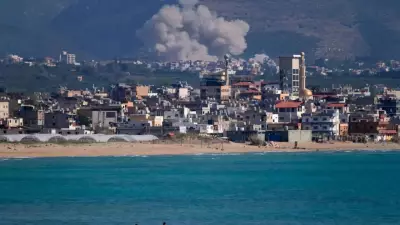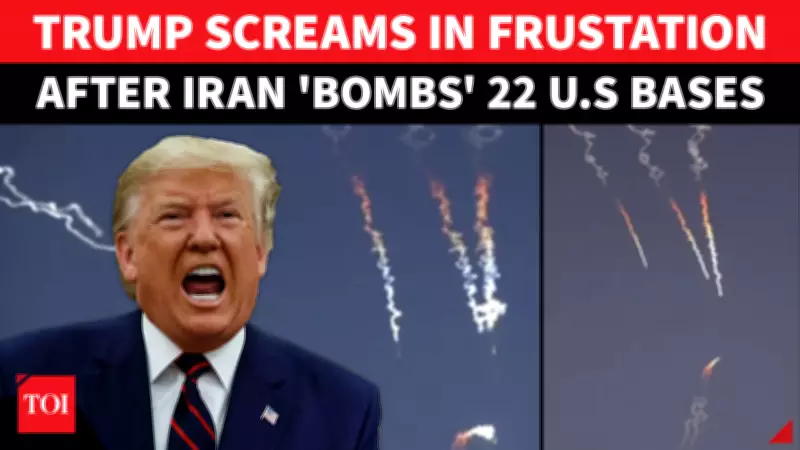
The Middle East has moved closer to a full-scale confrontation after Iran announced that it had conducted missile and drone strikes on 22 American-linked military installations across the Gulf region and Jordan. Tehran described the attacks as retaliation for recent US strikes on Iranian positions near the strategic Strait of Hormuz. In response, US President Donald Trump issued a stark warning, stating that Iran would 'pay the price' for its actions.
Escalation of Hostilities
The exchange of fire represents one of the most serious escalations since the April ceasefire. Both sides have now engaged in direct military action, raising fears of a wider regional conflict. Iran's Islamic Revolutionary Guard Corps (IRGC) claimed responsibility for the strikes, which targeted facilities including the US Navy's Fifth Fleet headquarters in Bahrain. The IRGC warned that 'more severe responses are coming' if attacks continue.
US Response and Global Concerns
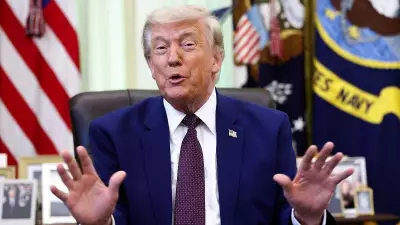
President Trump, visibly angered by the developments, declared that 'war is back' and vowed that Iran would face consequences. The US military has not yet confirmed the extent of damage, but early reports suggest multiple bases were hit. The international community has called for restraint, but diplomatic efforts appear fragile as both sides continue to trade military blows and threats.

The situation remains fluid, with analysts warning that any miscalculation could trigger a broader conflict involving other regional powers. The Strait of Hormuz, a critical chokepoint for global oil supplies, remains a flashpoint.