

Iran Rejects US Ceasefire Proposal, Unveils Counter-Plan Amid Ongoing Hostilities
In a significant development in the escalating Middle East conflict, Iran has formally dismissed a ceasefire plan proposed by the United States, instead issuing its own comprehensive counter-proposal. This move comes as hostilities continue to intensify, with recent attacks targeting Israel and Gulf Arab nations, further destabilizing the region.
Details of the Dismissed US Ceasefire Plan
According to officials from Pakistan who described the broad outlines, the 15-point US proposal aimed to address several critical issues to de-escalate the war. Key elements included:
- Sanctions Relief: Measures to ease economic sanctions on Iran.
- Nuclear Programme Rollback: Steps to limit Iran's nuclear activities.
- Missile Limits: Restrictions on Iran's missile capabilities.
- Strait of Hormuz Reopening: Initiatives to reopen the vital waterway, through which approximately one-fifth of the world's oil is normally shipped, ensuring global energy security.
However, Iran's foreign minister explicitly stated in a televised address, "No negotiations have happened with the enemy until now, and we do not plan on any negotiations," underscoring the current diplomatic impasse.

Iran's Counter-Proposal and Demands
In response, Iran issued its own plan via state television, outlining a series of demands that must be met for any potential ceasefire. The counter-proposal includes:
- A halt to the killings of Iranian officials.
- Guarantees to prevent future wars against Iran.
- Reparations for damages incurred during the conflict.
- An immediate end to all hostilities.
- Assertion of Iran's sovereignty over the Strait of Hormuz, a strategic chokepoint for global oil trade.
This counter-offer highlights Iran's firm stance on maintaining control over key regional assets and seeking compensation for the war's impacts.
Humanitarian Toll and Regional Impact
The conflict has exacted a severe humanitarian cost, with death tolls rising across affected areas. Current estimates indicate:
- Over 1,500 deaths in Iran.
- Nearly 1,100 fatalities in Lebanon.
- 16 deaths in Israel.
- 13 US military members killed.
- Additional civilian casualties on land and sea in the Gulf region.
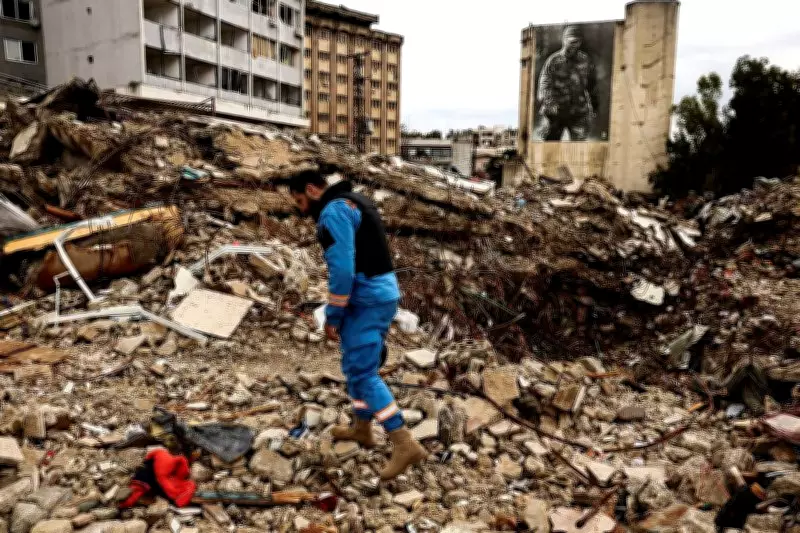
Moreover, millions of people in Lebanon and Iran have been displaced, creating a refugee crisis and straining regional resources. The ongoing violence, as evidenced by recent Israeli strikes in Nabatieh, Lebanon, continues to devastate communities and infrastructure.
Broader Implications for Global Stability
The rejection of the US ceasefire plan and Iran's counter-proposal signal a deepening rift in diplomatic efforts to resolve the conflict. With both sides presenting divergent demands, the path to peace remains uncertain. The involvement of Gulf Arab countries and the strategic importance of the Strait of Hormuz add layers of complexity, potentially affecting global oil markets and international relations.
As the war persists, the international community watches closely, urging de-escalation to prevent further loss of life and regional instability. The situation underscores the urgent need for renewed dialogue and cooperative solutions to address the root causes of the conflict.






