

Iran has dramatically intensified its crackdown on widespread public demonstrations, with the country's top legal official issuing a stark warning that participants could be charged as "enemies of God" – a crime punishable by death under Iranian law.
Legal Threat and Escalating Unrest
The severe warning was delivered by Attorney General Mohammad Movahedi Azad and broadcast on state television on Saturday. This development comes as protests, initially sparked by soaring living costs and the collapse of the national currency, the rial, entered their second week. Despite authorities imposing a sweeping internet blackout, demonstrations have intensified across major urban centres.
The statement clarified that not only those directly participating in protests, but even individuals who "helped rioters" could face the grave charge. This legal threat is rooted in Iran's penal code. Article 186 stipulates that members or supporters of a group engaged in armed opposition to the Islamic Republic can be deemed mohareb (enemies of God), even without taking part in armed acts. Article 190 outlines the possible punishments for this charge, which include execution, hanging, amputation, or permanent exile, with judges given discretion under Article 191.

Protests Defy Blackout and Spread
Defying the state's attempts to control information and quell dissent, protests erupted again on Friday in cities including Tehran, Mashhad, Tabriz, and the holy city of Qom. Verified footage showed crowds chanting slogans directly against Supreme Leader Ayatollah Ali Khamenei. In Tehran's Sa'adat Abad district, residents expressed defiance by banging pots and honking car horns, contradicting official media narratives that calm had been restored.
These protests represent the largest wave of unrest since the 2022-23 demonstrations triggered by the death of Mahsa Amini in morality police custody. What began as economic grievances has evolved into a direct challenge to Iran's clerical establishment.
Human Toll and International Reaction
Human rights organizations report a deadly crackdown. Norway-based Iran Human Rights documented at least 51 protester deaths, including nine children. The US-based Human Rights Activists News Agency placed the toll higher, at 65 killed and more than 2,300 detained. Amnesty International condemned the nationwide internet shutdown as a tool to "mask regime violence" and conceal rights violations.
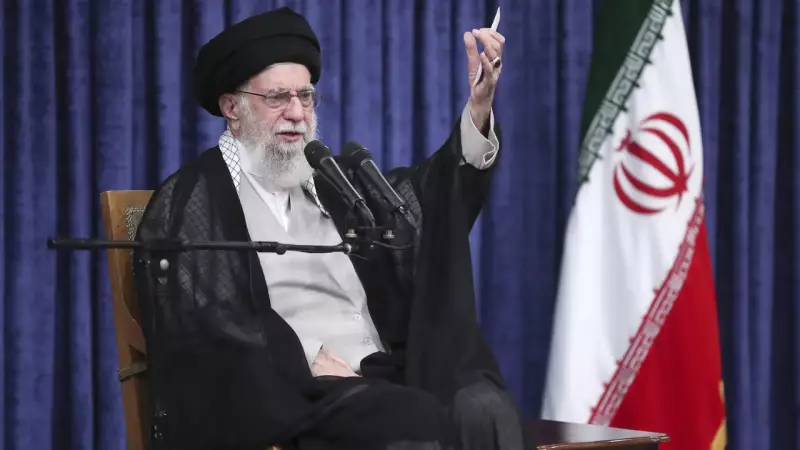
In his first comments since the unrest began, Supreme Leader Khamenei labelled protesters "vandals" and "saboteurs," accusing the United States of fomenting the turmoil. He claimed US President Donald Trump's hands were "stained with Iranian blood" and vowed the Islamic Republic would not retreat.
Responding to the escalating situation, Donald Trump warned Iran against killing peaceful protesters, suggesting the leadership was "in big trouble." US Secretary of State Marco Rubio expressed Washington's support for the "brave people of Iran." Domestically, Iran's judiciary chief, Gholamhossein Mohseni Ejei, warned that punishments would be "maximum" and without leniency, while the Revolutionary Guards declared protecting the Islamic Republic a "red line."






