

IDF Reports Iran Fired 300 Missiles at Israeli Territory and Occupied West Bank
The Israeli Defense Forces (IDF) have disclosed that Iran has launched approximately 300 missiles targeting Israeli territory and the occupied West Bank since the onset of the ongoing conflict. This assessment highlights a significant escalation in hostilities, with the Israeli military providing detailed insights into the nature of these attacks.
Cluster Bomb Warheads Used in Nearly Half of Iranian Missiles
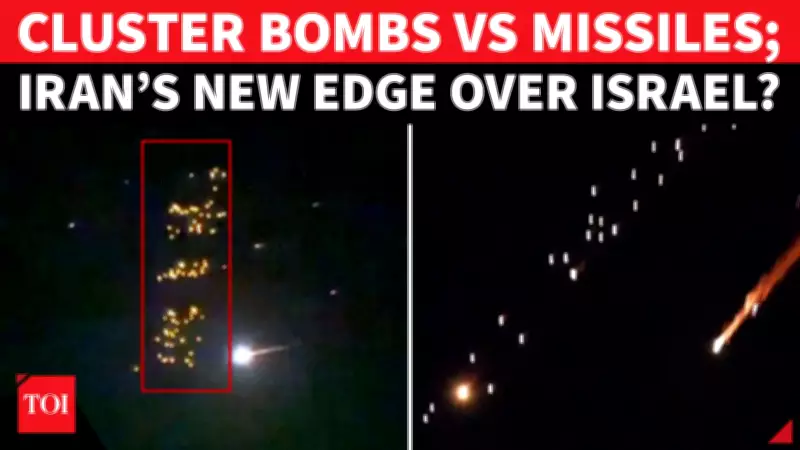
According to Israeli military evaluations, nearly half of the ballistic missiles fired by Iran were equipped with cluster bomb warheads. These munitions are designed to disperse dozens of smaller explosives over wide areas, potentially causing extensive damage and casualties. The use of such weapons raises serious humanitarian concerns, as cluster bombs can pose long-term risks to civilians due to unexploded ordnance.
The claim about cluster munitions follows a recent deadly strike in central Israel, which resulted in the deaths of two individuals and left another person seriously injured. This incident underscores the direct impact of the missile attacks on civilian populations, adding urgency to the conflict's resolution efforts.

Israeli Air Defenses Intercept Most Incoming Missiles
Israeli air defense systems have been actively engaged in countering the missile threats, successfully intercepting a majority of the incoming projectiles. However, officials have acknowledged that the defense network is not completely airtight, indicating vulnerabilities that could be exploited in future attacks. This admission points to the challenges faced by Israel in maintaining comprehensive protection against sophisticated missile arsenals.
Despite these interceptions, the persistent barrage from Iran has kept Israeli forces on high alert, with continuous monitoring and response operations to mitigate risks. The effectiveness of these defenses is crucial in preventing further loss of life and property damage.
Israel Destroys Over 300 Iranian Missile Launchers in Retaliatory Strikes
In response to the missile attacks, Israel has reported destroying more than 300 Iranian missile launchers as part of its counteroffensive operations. This action signifies an intensification of the air war between the two nations, with both sides engaging in reciprocal strikes that threaten to broaden the conflict's scope.
The destruction of these launchers aims to degrade Iran's offensive capabilities and deter future attacks. However, the ongoing exchanges suggest a cycle of escalation that could lead to further instability in the region, with potential implications for global geopolitics.
Key Points of the Conflict:
- Iran has fired around 300 missiles at Israel and the West Bank since the war began.
- Cluster bomb warheads were used in nearly half of these missiles, increasing humanitarian risks.
- A recent strike in central Israel killed two people and injured one seriously.
- Israeli air defenses have intercepted most missiles, but the system has acknowledged gaps.
- Israel has destroyed over 300 Iranian missile launchers in retaliatory measures.
The situation remains fluid, with both nations continuing to engage in military actions that could influence regional dynamics. The use of advanced weaponry like cluster bombs adds a layer of complexity to the conflict, highlighting the need for diplomatic interventions to prevent further escalation and protect civilian lives.






