

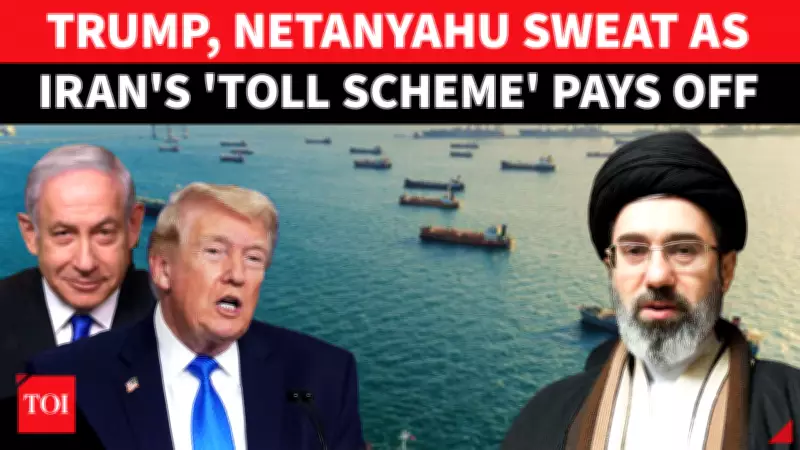
In a dramatic twist to the geopolitical standoff, Iran has announced that it has received its first revenue from tolls charged on vessels transiting the Strait of Hormuz, a waterway through which about one-fifth of the world's oil normally flows. Deputy Speaker of Parliament Hamidreza Hajibabaei declared that the initial toll payments have been deposited into Iran's Central Bank, signaling Tehran's attempt to monetize control over the strait amid the ongoing war with the United States and Israel.
Strategic Implications of the Hormuz Tolls
The Strait of Hormuz is a critical chokepoint for global oil shipments, and Iran's move to levy tolls represents a significant escalation in its economic warfare strategy. By charging fees for passage, Iran aims to generate revenue while exerting pressure on adversaries. The announcement comes as tensions in the region remain high, with the US and Israel engaged in military operations against Iran.
Reactions from Global Powers
The United States and Israel have expressed alarm over Iran's actions, viewing them as a direct challenge to international maritime law. US officials have warned of potential retaliation, while Israeli leaders have called for a coordinated response to ensure freedom of navigation. Meanwhile, other nations reliant on oil shipments through the strait are closely monitoring the situation, concerned about potential disruptions to global energy supplies.

Iran's Economic Strategy
Iran's toll collection is part of a broader strategy to leverage its geographic position amid economic sanctions and military conflict. The revenue from tolls could provide a much-needed boost to Iran's struggling economy, which has been hit hard by US-led sanctions. However, experts caution that the move could provoke further military escalation, as both the US and Israel have vowed to keep the strait open for international shipping.
As the situation unfolds, the international community watches with bated breath, aware that any miscalculation could lead to a broader conflict with far-reaching consequences for global oil markets and regional stability.






