Iran has plunged into a severe digital darkness, with authorities imposing a widespread internet blackout across the country. This drastic measure comes in direct response to a fresh wave of public protests, which were ignited following an online call to action from Reza Pahlavi, the exiled son of Iran's last monarch.
Digital Crackdown Follows Call for Protests
The trigger for the current unrest was a video message circulated online by Reza Pahlavi on Thursday. In his address, Pahlavi, who lives in exile in the United States, urged Iranians to engage in acts of civil disobedience and to stage demonstrations. He specifically called for protests on Friday, targeting what he described as the "illegitimate" rule of the current establishment.
Iranian authorities moved swiftly to contain the situation. The nationwide internet disruption began on Thursday night, severely limiting citizens' access to online communication platforms and social media. This tactic is a well-documented tool used by the Iranian government during periods of civil unrest to stifle coordination among protesters and to control the narrative by limiting the flow of information to the outside world.

The disruption was confirmed by internet monitoring groups like NetBlocks, which reported a significant drop in connectivity within Iran. Mobile data networks and broadband services were widely affected, making it difficult for people to communicate or share updates from the ground.
Security Forces Mobilize and Historical Context
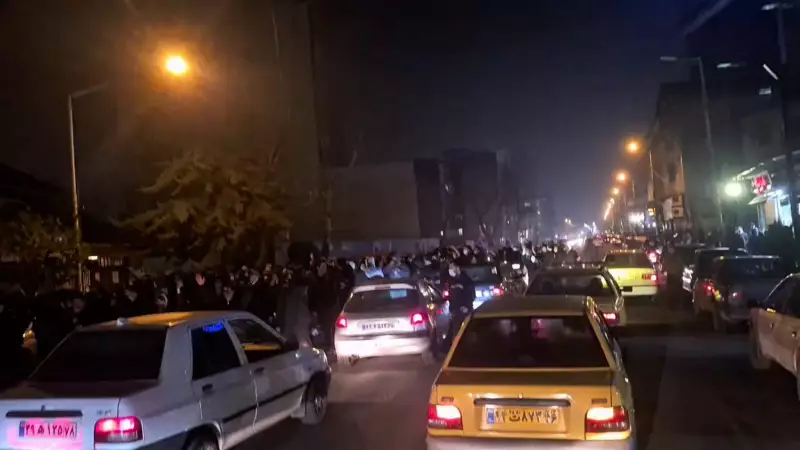
Alongside the digital blockade, Iranian security forces were placed on high alert. Reports from within the country indicated a heavy presence of police and other security personnel in major cities and public squares on Friday, the day Pahlavi had designated for protests. The aim was clearly to deter any large gatherings from forming.
This is not the first time Iran has used an internet blackout as a weapon against dissent. A similar, and even more total, shutdown occurred in November 2019 during protests over fuel price hikes. That blackout lasted for nearly a week and is considered one of the most severe internet censorship events in the country's history. The current situation appears to follow a familiar playbook, aiming to preemptively silence organizing efforts.
Reza Pahlavi's involvement adds a distinct layer to these protests. As the heir to the former Pahlavi dynasty, which was overthrown in the 1979 Islamic Revolution, he remains a polarizing figure. For the current government, he represents the old monarchist order they fought to replace. His calls for protest are therefore treated with extreme seriousness and seen as a direct challenge to the state's legitimacy.
Implications and International Scrutiny
The recurring use of nationwide internet blackouts has profound implications for Iranian society. It cuts off citizens not only from each other but also from vital services, news, and global communication. It creates an information vacuum that is often filled by state-controlled media, making independent verification of events extremely challenging for international observers and human rights organizations.
These actions are likely to draw further international condemnation. Digital rights groups and Western governments have repeatedly criticized Iran for its repressive control over the internet and its use of communication blackouts during civil unrest. The blackout also highlights the ongoing tensions within Iran, where economic pressures and social restrictions continue to fuel public dissatisfaction, which figures like Pahlavi seek to channel.
The combination of a symbolic call from an exiled leader and the government's predictably harsh response underscores the deep and unresolved political fissures in Iran. It demonstrates the authorities' readiness to isolate the country digitally to maintain control, a strategy with significant costs for Iran's economy and its people's basic rights to information and assembly.
As the digital blackout continues, the world watches closely, relying on fragmented reports to understand the scale of the protests and the government's crackdown. The event serves as another stark reminder of the battle over information and freedom in the Islamic Republic.