

Iran's Revolutionary Guard Claims First Post-Ceasefire Military Action
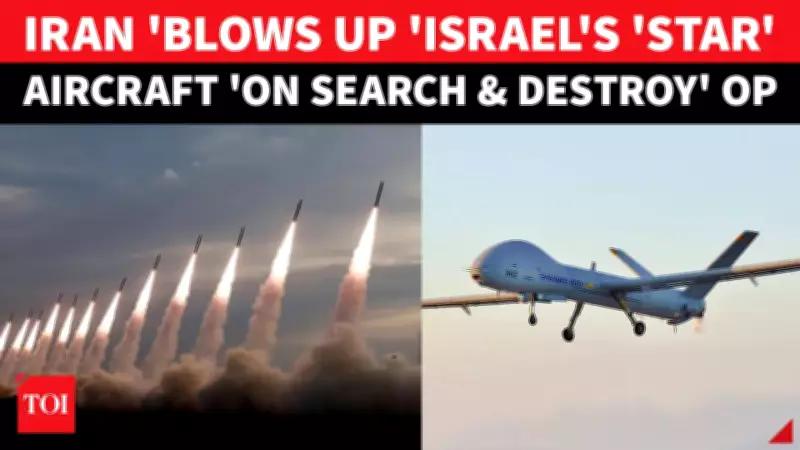
In a significant development that tests the fragile ceasefire between Iran and Israel, the Islamic Revolutionary Guard Corps (IRGC) announced on April 8 that its air defense systems successfully intercepted and destroyed a sophisticated Israeli Hermes 900 drone. The incident occurred over the southern province of Fars, marking what appears to be the first military engagement since the truce was established.
Details of the Drone Incident
The Hermes 900 is a high-endurance, multi-payload unmanned aerial vehicle (UAV) manufactured by Israel Aerospace Industries. Known for its intelligence, surveillance, and reconnaissance capabilities, this drone represents a key asset in Israel's military arsenal. According to the IRGC statement, their air defense units detected and engaged the aircraft, reducing it to fragments in Iranian airspace.
This action underscores the ongoing volatility in the region, despite diplomatic efforts to de-escalate tensions. The southern province of Fars, where the incident took place, is strategically important and hosts several military installations.

Official Warnings and Military Posture
Concurrent with the drone report, a senior Iranian official and former IRGC commander issued a stark warning to both the United States and Israel. The official emphasized that Iran's armed forces remain on high alert and are prepared to take necessary actions to protect national interests, regardless of the ceasefire agreement.
The message is clear: Iran will not hesitate to respond to perceived threats, and the ceasefire does not equate to a suspension of defensive operations. This stance highlights the complex dynamics at play, where political agreements on paper may not fully translate to calm on the ground.
Broader Regional Context
The drone incident occurs against a backdrop of heightened regional tensions. Recent reports have detailed various military and political developments, including:
- Statements from Israeli leadership vowing to continue confronting threats
- Escalations involving other nations such as North Korea conducting missile tests
- Internal political pressures within Israel regarding deals with Iran
- Iran's assertive actions in strategic areas like the Strait of Hormuz
These events collectively paint a picture of a region where ceasefire agreements are fragile, and military readiness remains paramount for all involved parties.
Implications for the Ceasefire
The downing of the Israeli drone raises critical questions about the sustainability of the current truce. While both sides have agreed to a cessation of hostilities, incidents like this demonstrate how easily tensions can reignite. The IRGC's public announcement of the action serves as a reminder of Iran's military capabilities and its willingness to use them.
Analysts suggest that such events could prompt renewed diplomatic efforts or, conversely, lead to further escalations if not properly managed. The international community will be closely monitoring how both Iran and Israel respond in the coming days.
Ultimately, this incident reinforces the notion that in the complex geopolitics of the Middle East, ceasefires are often temporary respites rather than permanent solutions. The readiness of armed forces to act in defense of national interests remains a constant, shaping the region's security landscape.






