

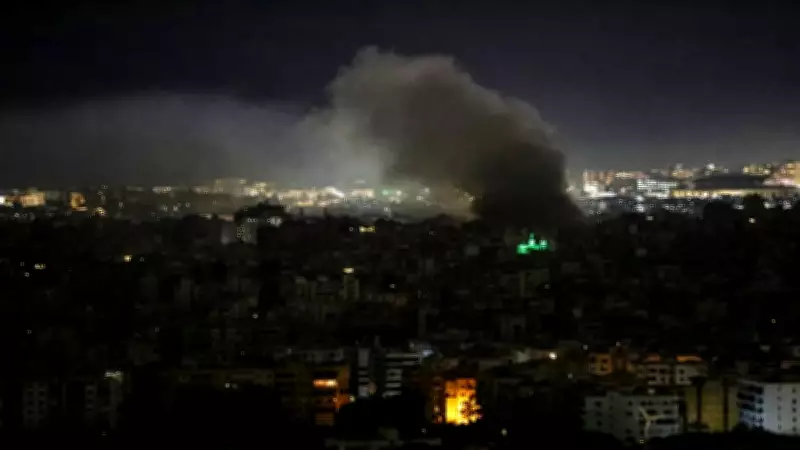
Iran-Israel Tensions Escalate: Airspace Closures and Evacuation Plans
In a significant development in the Middle East, tensions between Iran, the United States, and Israel have intensified, leading to widespread disruptions in air travel and heightened security concerns. The conflict, which has been simmering for weeks, has now prompted immediate actions, including the closure of airspace in key regions and evacuation plans for Indian nationals.
Airspace Closures Impact Flights
Several countries in the Middle East and West Asia have announced the closure of their airspace as a precautionary measure amid the escalating conflict. This has resulted in flight restrictions affecting major hubs such as Qatar and Dubai, causing delays and cancellations for international travelers. Airlines are rerouting flights to avoid the affected zones, leading to longer travel times and increased operational costs.
The closures are primarily aimed at ensuring the safety of civilian aircraft, as military activities in the region pose a risk to air traffic. Authorities have urged passengers to check with their airlines for updates and plan their journeys accordingly.

Evacuation Plans for Indians
In response to the growing instability, the Indian government has initiated evacuation plans for its citizens residing in conflict-affected areas. Special flights and coordination with local authorities are being arranged to facilitate the safe return of Indians. The move comes amid concerns over the safety of expatriates and travelers in the region.
Officials have emphasized that the evacuation is a precautionary step, and they are closely monitoring the situation to ensure the well-being of all Indian nationals. Advisory notices have been issued, urging Indians to register with embassies and follow safety guidelines.
Political and Military Dynamics
The conflict involves key players such as Iran's Supreme Leader Ali Khamenei, the United States under former President Donald Trump, and Israel's government. Tensions have been fueled by geopolitical rivalries, military posturing, and recent incidents that have heightened the risk of a broader confrontation.
- Iran has issued warnings against foreign intervention in the region.
- The US and Israel have reiterated their commitment to regional security.
- International bodies are calling for de-escalation to prevent further instability.
Analysts suggest that the situation remains volatile, with potential implications for global oil prices and international relations. The closure of airspace and evacuation efforts underscore the urgency of the crisis, as stakeholders work to mitigate risks and protect civilians.






