

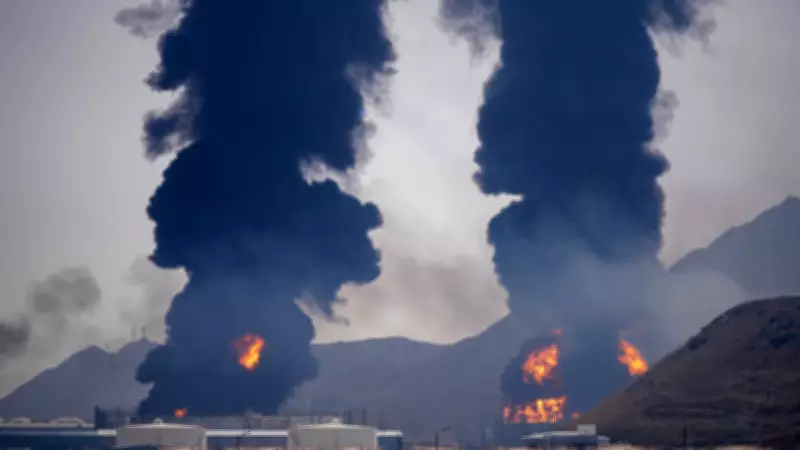
Iran-Israel Tensions Escalate Amid US Involvement, Threatening Global Oil Supply
In a significant development in West Asia, tensions between Iran and Israel have intensified, with the United States playing a pivotal role in the unfolding crisis. This escalating conflict has raised alarms over potential disruptions to global oil supplies, particularly through the critical Strait of Hormuz, a vital maritime chokepoint for energy shipments.
Geopolitical Standoff and Regional Implications
The Middle East is witnessing a volatile standoff as Iran and Israel engage in heightened hostilities, exacerbated by US diplomatic and military posturing. Former US President Donald Trump and Israeli Prime Minister Benjamin Netanyahu have been central figures in this geopolitical drama, with their policies and statements influencing the current state of affairs. The conflict extends beyond bilateral issues, involving regional players like Dubai, Qatar, and other Gulf states, which are closely monitoring the situation due to its impact on oil and liquefied petroleum gas (LPG) markets.
Economic Ramifications and Global Concerns
The Strait of Hormuz, a narrow waterway through which a substantial portion of the world's oil passes, is at the heart of economic anxieties. Any escalation in the Iran-Israel conflict could lead to blockades or attacks in this region, potentially causing a spike in global oil prices. This scenario poses risks to economies worldwide, as increased energy costs could fuel inflation and disrupt trade flows. The involvement of the US adds another layer of complexity, with potential sanctions or military actions further destabilizing the area.

Historical Context and Current Dynamics
This conflict is not isolated but rooted in long-standing regional rivalries and international interventions. Iran's nuclear ambitions, Israel's security concerns, and US strategic interests have created a tinderbox in West Asia. Recent live updates indicate that diplomatic efforts are underway, but the risk of miscalculation remains high. The situation underscores the fragile balance of power in the Middle East, where minor incidents can quickly escalate into broader confrontations.
Potential Outcomes and Future Scenarios
As the world watches closely, several outcomes are possible:
- Diplomatic Resolution: International mediation could de-escalate tensions, but this requires concessions from all parties involved.
- Military Conflict: If hostilities break out, it could lead to widespread regional war, affecting global security and energy markets.
- Economic Impact: Continued uncertainty may drive oil prices higher, impacting consumers and industries globally.
In summary, the Iran-Israel conflict, with US involvement, represents a critical flashpoint in global politics. Stakeholders from Dubai to Qatar are bracing for potential disruptions, emphasizing the need for cautious diplomacy to prevent a full-scale crisis. The coming days will be crucial in determining whether peace can prevail or if the region descends into further turmoil.






