

Iran's Revolutionary Guard Escalates Conflict with Major Strikes on US Bases and Israeli Targets
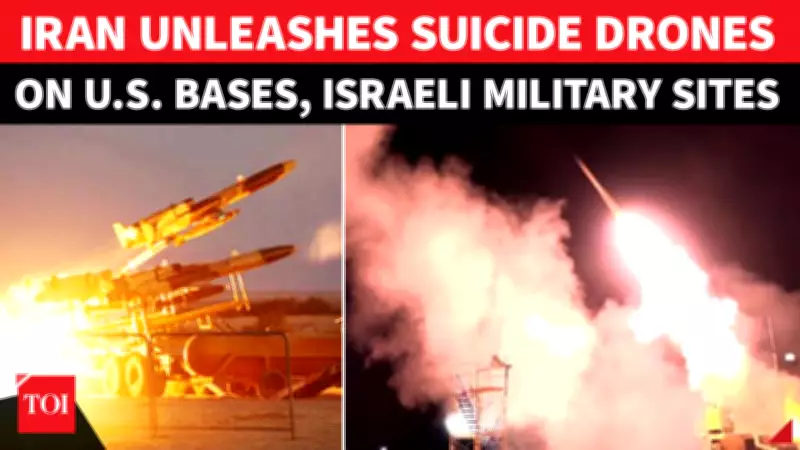
In a significant escalation of regional tensions, Iran's Revolutionary Guard has launched Wave 83 of Operation True Promise 4, targeting critical sites across the Middle East. The operation, which involved precision-guided missiles, multi-warhead systems, and suicide drones, struck Ashdod oil depots and Modi'in deployment zones in Israel, as well as US-linked military bases including Al Dhafra, Al Udeid, and Ali Al Salem.
Details of the Coordinated Attack
The strikes represent a bold move by Iran, with officials claiming complete success in hitting strategic targets. The use of multi-warhead missiles and suicide drones underscores the sophistication of the operation, aimed at disrupting key infrastructure and military assets. The Ashdod oil depots, a vital energy hub, were among the primary targets, potentially impacting regional oil supplies.
Simultaneously, the attacks on US bases such as Al Dhafra in the United Arab Emirates, Al Udeid in Qatar, and Ali Al Salem in Kuwait highlight Iran's willingness to directly challenge American presence in the region. These bases are crucial for US operations and intelligence gathering, making them high-value targets in the ongoing conflict.

Official Statements and Warnings
Iranian officials have issued a direct warning following the strikes, indicating that further waves of attacks will follow. This statement suggests a sustained campaign rather than a one-off event, raising concerns about prolonged instability in the Middle East. The escalation comes amid heightened tensions, with Iran fortifying its positions and allies like Yemen's Houthis backing its actions.
The operation's success, as claimed by Iran, could embolden other regional actors, potentially drawing in more parties into the conflict. The targeting of Modi'in deployment zones indicates a focus on Israeli military capabilities, adding another layer to the complex geopolitical landscape.
Broader Implications for Regional Security
This massive escalation highlights the widening conflict, with strategic targets now firmly in focus. The involvement of multi-warhead missiles and suicide drones points to advanced military tactics being deployed, which could lead to increased casualties and infrastructure damage in future engagements. The strikes on US bases may prompt a stronger American response, potentially escalating into a broader confrontation.
Regional powers are closely monitoring the situation, with implications for global oil prices and security alliances. The conflict's expansion could destabilize already volatile areas, affecting trade routes and diplomatic relations. As Iran continues to fortify its defenses and issue warnings, the international community faces mounting pressure to mediate and prevent further escalation.
In summary, Iran's latest operation marks a critical juncture in the Middle East conflict, with far-reaching consequences for regional and global stability. The use of advanced weaponry and targeting of US assets signals a new phase of hostilities that demands urgent attention from world leaders.






