

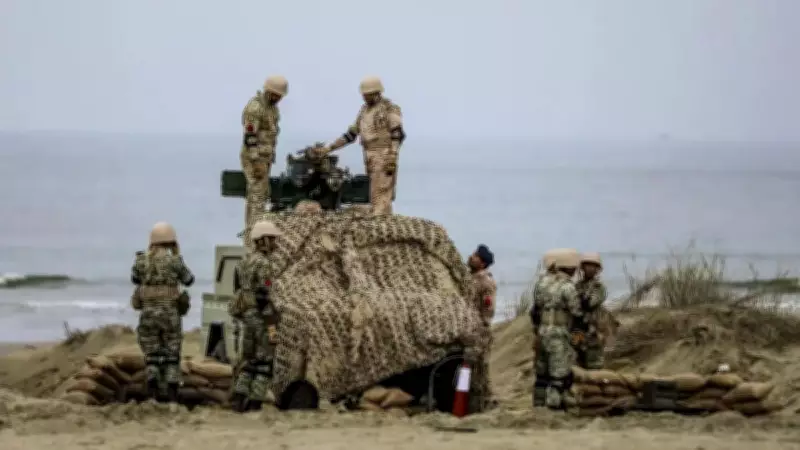
Iran's New Law Permits 12-Year-Olds in War Roles from 2026
In a move that has raised significant international alarm, Iran has enacted a controversial new law that will allow children as young as 12 years old to participate in war-related roles, effective from the year 2026. This legislation marks a stark departure from global norms and has ignited widespread debate over child protection, military ethics, and human rights.
Details of the Legislation
The law, passed by Iranian authorities, explicitly permits minors aged 12 and above to engage in activities directly associated with warfare. This includes roles that may involve combat support, logistics, or other military functions, though specific duties have not been fully disclosed. The decision is set to take effect in 2026, giving the government time to implement necessary frameworks and training programs.
Key aspects of the law include:

- Minimum age set at 12 years for participation in war-related roles.
- Implementation scheduled for 2026, allowing for preparatory measures.
- Roles may encompass a range of military activities, though exact details remain unclear.
International Reaction and Concerns
The announcement has prompted swift condemnation from various international bodies and human rights organizations. Critics argue that involving children in warfare violates numerous international agreements, including the United Nations Convention on the Rights of the Child, which sets 18 as the minimum age for direct participation in hostilities.
Human rights advocates have expressed deep concern, warning that this policy could expose young individuals to severe physical and psychological harm. There are fears that it may lead to increased recruitment of child soldiers, a practice widely condemned globally.
Additionally, experts highlight potential implications for regional stability, as the law could influence military strategies and escalate conflicts involving Iran.
Iran's Justification and Domestic Context
Iranian officials have defended the law, citing national security needs and the importance of preparing youth for defense roles. They argue that it aligns with cultural and educational frameworks aimed at fostering patriotism and resilience from a young age.
However, domestic critics within Iran have voiced opposition, pointing to risks such as disrupted education and long-term trauma for children. The move comes amid broader geopolitical tensions and internal debates over military policies in the region.
Global Implications and Future Outlook
This development is likely to strain Iran's relations with other countries and international organizations. It raises questions about compliance with global human rights standards and could lead to diplomatic repercussions, including potential sanctions or censure.
As 2026 approaches, the world will be closely monitoring how Iran implements this law and its impact on child welfare. The situation underscores ongoing challenges in balancing national security with ethical obligations to protect minors from the horrors of war.






