Iranian Missile Allegedly Splits U.S. AWACS Aircraft in Saudi Arabia Airbase Strike
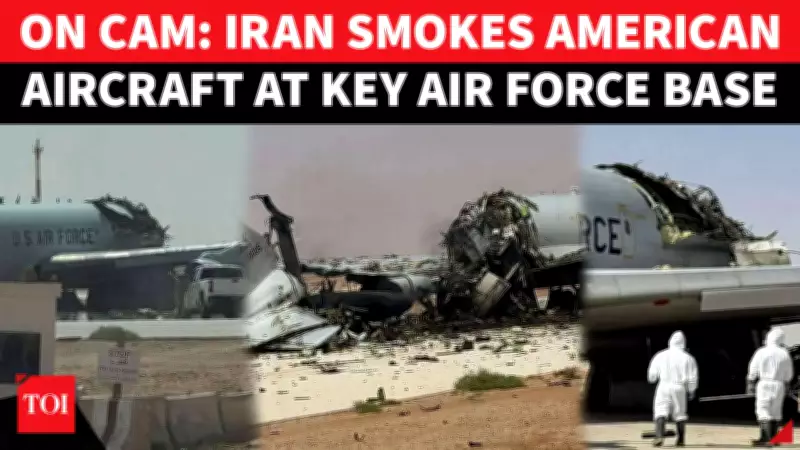
Viral images circulating online appear to show catastrophic destruction of a critical U.S. Air Force aircraft following an Iranian ballistic missile and drone strike on a Saudi Arabian airbase. The targeted aircraft, identified as 81-0005, is an E-3G "Sentry" Airborne Early Warning and Control (AEW&C) platform, a vital component of American aerial surveillance and command capabilities.
Details of the Alleged Attack and Damage
The strike reportedly occurred at Prince Sultan Air Base in Saudi Arabia, a key location for U.S. military operations in the region. Initial assessments based on the viral imagery suggest the aircraft was split into two sections, indicating a direct or near-direct hit by a precision-guided munition. The E-3G Sentry, operated by the U.S. Air Force's 552nd Air Control Wing and normally based at Tinker Air Force Base in Oklahoma, serves as an airborne radar and command post, tracking aircraft and coordinating missions.
This incident is part of a broader escalation in the ongoing Iran conflict, which has seen multiple strikes across the Middle East. Reports confirm that the attack injured 12 U.S. soldiers and also damaged refueling aircraft at the base, compounding the operational impact. The timing of the strike, occurring just a day before the images emerged, underscores the rapid development of hostilities in the region.

Broader Context of Regional Escalation
The alleged destruction of the AWACS aircraft comes amid a series of aggressive actions attributed to Iran and its proxies. Recent events include missile barrages targeting the United Arab Emirates, strikes on American personnel in Dubai, and Houthi involvement with attacks on Israeli sites. These developments have pushed the conflict to what analysts describe as a dangerous turning point, with heightened risks of further military engagement.
Political reactions have been intense, with former U.S. President Donald Trump making provocative statements, including renaming the Strait of Hormuz, while Iranian officials like Mojtaba have remained firm. U.S. senators have criticized the administration's strategy, highlighting the lack of a clear plan despite significant financial commitments to the war effort.
Implications for U.S. Military Operations
The loss or severe damage of an E-3G Sentry represents a significant blow to U.S. airborne early warning capabilities in the Middle East. These aircraft are crucial for monitoring airspace, detecting threats, and directing combat operations. Their vulnerability to ballistic missile attacks raises serious questions about force protection and base security in volatile regions.
Military analysts note that such strikes could prompt a reassessment of deployment strategies and defensive measures at allied bases. The incident at Prince Sultan Air Base may lead to increased investments in missile defense systems and changes in how high-value assets are positioned during periods of heightened tension.
Verification and Ongoing Developments
While the images have gone viral, official confirmation from the U.S. Department of Defense or Iranian authorities is still pending. However, the consistency of reports from multiple sources suggests a high degree of credibility. The international community is closely watching for updates, as this event could influence diplomatic efforts and military responses in the coming days.
As the situation evolves, stakeholders are urged to rely on verified information from authoritative channels. The potential for misinformation in conflict zones remains high, making accurate reporting essential for understanding the true scale and impact of such incidents.