

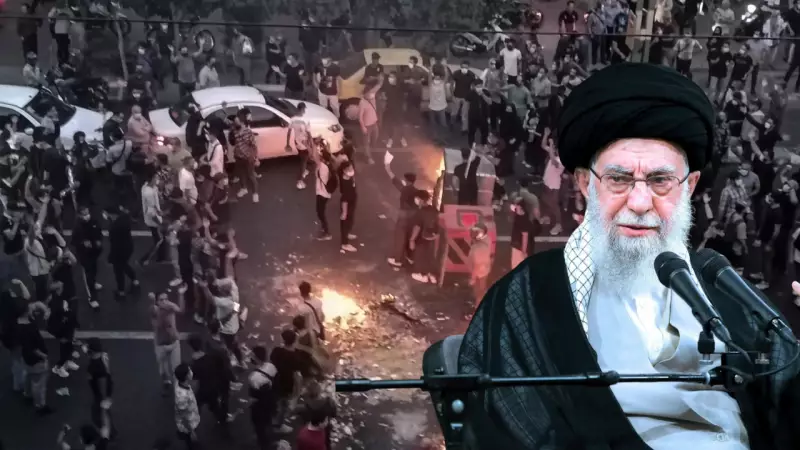
Iran is grappling with its most severe wave of civil unrest in years, as nationwide protests fueled by economic despair and political repression entered a critical 12th day. The situation escalated sharply after authorities imposed a sweeping nationwide internet and communication blackout, effectively severing over 85 million people from the global digital sphere. This move, widely seen as a precursor to a harsher crackdown, came amid violent clashes between security forces and demonstrators who have taken to the streets across all 31 provinces of the country.
Nationwide Blackout and Escalating Violence
The communication shutdown, confirmed by monitoring groups NetBlocks and Cloudflare, has left Iran in an information vacuum. International phone calls, including those routed via Dubai, have failed to connect. This blackout has historically signaled intensified state action against dissent. Before the digital curtain fell, footage circulated online showing violent confrontations involving tear gas, gunfire, and protesters throwing stones. Rights groups reported that government buildings were set ablaze in some areas.
According to the US-based Human Rights Activists News Agency, the toll has risen to at least 42 fatalities and more than 2,270 detentions since the protests began on December 28. Iranian authorities have acknowledged the deaths of several security personnel. In a stark warning, Iran's attorney general stated that anyone participating in the protests would be considered an 'enemy of God,' a charge that carries the death penalty.

International Condemnation and Support for Protesters
The crisis has drawn sharp reactions from the international community. European Commission President Ursula von der Leyen issued a strong statement of support for the Iranian protesters, condemning the violent government crackdown. In a post on X, she asserted that Europe stands firmly with those demanding basic freedoms and warned that those responsible for the violence would be on the "wrong side of history." She called for the immediate release of detainees and the restoration of internet access.
From the United States, President Donald Trump warned Iran's leadership against using deadly force on protesters, threatening "severe consequences" if killings occur. Vice President JD Vance reiterated Washington's support for peaceful demonstrators. The US State Department issued an unusually blunt message in Persian directed at Iran's leadership.
Roots of Discontent and Defiant Voices
The unrest was initially sparked by shopkeepers in Tehran protesting the catastrophic collapse of the Iranian rial. With inflation hovering around 40 percent and recent fuel price hikes exacerbating the crisis, the demonstrations rapidly evolved into a broad anti-government movement. University students joined in, and chants increasingly targeted Supreme Leader Ayatollah Ali Khamenei, who has blamed the unrest on the United States.
Exiled Iranian crown prince Reza Pahlavi strongly condemned the government's actions, accusing it of deliberately silencing its citizens. He urged the international community to use all technical and diplomatic means to restore communications. In a video message, he called on protesters to prepare to "seize and hold city centres" and hinted at a potential return to his homeland.
Prominent Iranian filmmakers, including Cannes winner Jafar Panahi and Mohammad Rasoulof, accused the regime of using the "most blatant tools of repression" to conceal its violence. In a symbolic act of defiance, a protester at the Iranian embassy in London replaced the national flag with the pre-1979 tricolour for several minutes, drawing cheers from the crowd.
As the internet blackout persists and international pressure mounts, the standoff inside Iran remains dangerously volatile. The protests represent one of the most serious challenges to the country's clerical establishment since the 1979 revolution, with no clear indication of how the crisis will unfold.






