

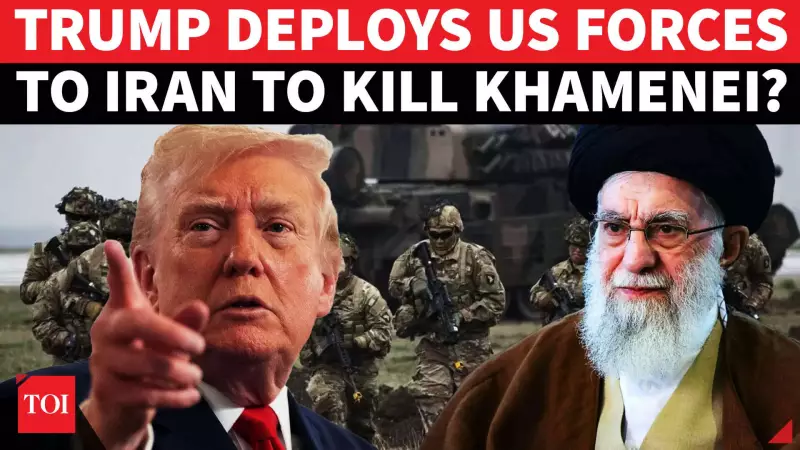
Iran has been gripped by escalating nationwide protests for eleven consecutive days, with unrest spreading from southern cities to the capital, Tehran. The demonstrations have taken a sharply defiant turn, with open chants against Supreme Leader Ayatollah Ali Khamenei and calls for the return of the former monarchy.
Protests Intensify with Direct Challenges to Leadership
On the eleventh day of the unrest, the resolve of the protesters appeared stronger than ever. In the city of Fasa, demonstrators openly labelled Ayatollah Khamenei a "killer" and rejected the legitimacy of his rule, a significant act of defiance in the Islamic Republic. Security forces, despite their presence, were unable to silence the growing crowds.
The strategic port city of Bandar Abbas witnessed another powerful sentiment, where shopkeepers and residents invoked Iran's pre-revolutionary past. Chants calling for the return of Reza Pahlavi, the exiled crown prince of the former Pahlavi monarchy, echoed through the streets, indicating a deep-seated discontent with the current theocratic system.

Nationwide Strikes and Military Posturing
The protest movement has evolved beyond street marches into coordinated economic action. Widespread strikes have shut down markets and commercial activity in major cities including Tehran, Shiraz, Gonabad, Falavarjan, and Kermanshah. This economic pressure is adding a critical new dimension to the crisis.
As internal pressure mounts, Iran's military leadership has turned its focus outward. The country's army chief, Major General Amir Hatami, issued a direct warning to the United States and Israel. He accused foreign powers of interference and stated that Iran's armed forces are fully prepared to respond to any hostile action against the nation.
Global Powers Enter the Fray
The internal Iranian crisis is rapidly colliding with international geopolitics, raising fears of a broader confrontation. From Washington, rhetoric has intensified sharply. U.S. Senator Lindsey Graham issued a stark warning to Iran's leadership, claiming that President Donald Trump would target Ayatollah Khamenei directly if the crackdown on protesters continues.
Graham pointed to the recent U.S. military operation in Venezuela as a clear message to authoritarian leaders worldwide. This explicit threat marks a serious escalation in Washington's posture towards Tehran. The human cost of the protests continues to rise, with at least 36 people reported killed so far, according to available reports.
The situation presents a volatile mix of domestic revolt and international brinkmanship. With protesters showing no signs of backing down, the military on high alert, and global powers like the United States issuing direct threats, Iran stands at a dangerous crossroads. The outcome of this struggle could have profound consequences for the region and the world.






