

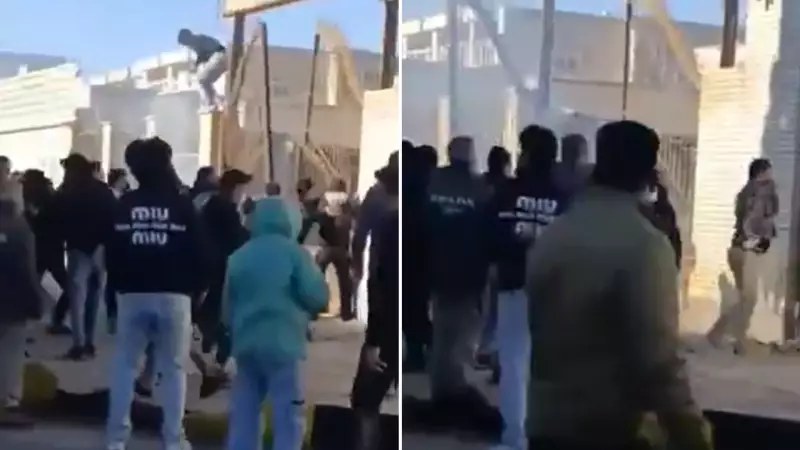
Iranian authorities have confirmed an attack on a government building in the southern city of Fasa, as the country experiences a wave of public demonstrations fueled by severe economic pressures. Officials, however, maintain that the unrest remains limited and is under their firm control.
Attack on Governor's Office in Fasa
According to reports from the justice ministry's Mizan news agency, the incident occurred on Wednesday. Several individuals damaged parts of the provincial governor's office in Fasa. Hamed Ostovar, the head of the city's judiciary, provided details, stating that a portion of the office door and its glass were destroyed in the assault.
Ostovar confirmed that police intervention led to the arrest of four suspects. He also noted that three police officers sustained injuries during the incident. The official strongly denied online rumors claiming a protester had been killed, dismissing such reports as baseless.

Wave of Economic Protests Spreads
This attack follows several days of growing public discontent. The protests were initially sparked by anger over soaring prices, a rapidly depreciating currency, and general economic stagnation.
The demonstrations first erupted on Sunday in Tehran's largest mobile phone market, where frustrated shopkeepers shut down their businesses. The movement quickly spread to students at universities in the capital and other major cities, including Isfahan, Yazd, and Zanjan.
Despite their spread, the protests have largely remained relatively small in scale. Most activity has been concentrated in central Tehran. Security forces have been deployed around key intersections and university areas, with water cannon vehicles positioned on major streets as a precaution.
Official Response and Foreign Interference Claims
Iranian leaders have offered a mixed response. Prosecutor General Mohammad Movahedi-Azad stated that economic protests are "legitimate" but issued a stern warning. He said any attempts to create insecurity or damage public property would meet a "decisive" legal response.
President Masoud Pezeshkian echoed this, saying he had instructed officials to engage in dialogue regarding the protesters' legitimate demands. Simultaneously, he warned against efforts by external or internal actors to exploit the situation.
Officials have pointed to online messages from Israel's Mossad intelligence agency, which encouraged Iranians to protest, as evidence of foreign interference aimed at destabilizing the country.
The backdrop to this unrest is an economy under severe, prolonged strain. Years of US and international sanctions linked to Iran's nuclear program have taken a heavy toll. The Iranian rial has lost over a third of its value in the past year alone, driving up import costs and crippling retailers. Official inflation figures surpassed 50 percent in December.
In a related move, authorities announced a last-minute bank and school holiday, officially citing cold weather and the need for energy savings.






