

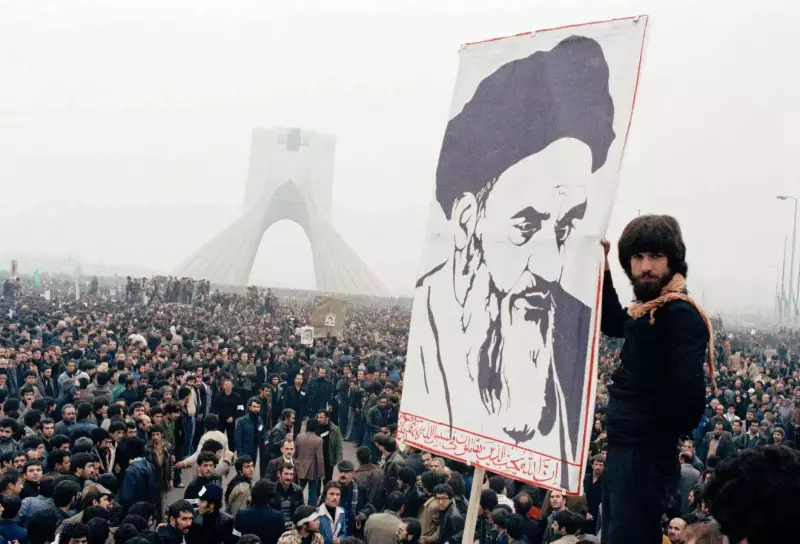
Iran is grappling with its most severe wave of civil unrest in years as nationwide protests, triggered by a collapsing economy and soaring inflation, entered a critical phase. Authorities have responded with a sweeping communication blackout, cutting off internet and international phone services for millions, amid reports of violent clashes and a rising death toll.
Nationwide Blackout and Escalating Violence
The situation took a dramatic turn as Iranian authorities imposed severe restrictions on communications across large parts of the country. Monitoring groups NetBlocks and Cloudflare confirmed the outage, which effectively severed over 85 million people from the global internet. International calls, including those routed via Dubai, failed to connect. This move is seen as a precursor to harsher crackdowns, a pattern observed in Iran's past.
Violent confrontations between protesters and security forces were reported in several cities including Tehran, Shiraz, and Isfahan. Footage circulated online before the blackout showed the use of tear gas, gunfire, and stone-throwing. Rights groups reported that protesters set fire to government buildings in some areas. According to the US-based Human Rights Activists News Agency, at least 42 people have been killed and more than 2,270 detained since the protests began. Iranian authorities have acknowledged the deaths of several security personnel.

Roots of the Unrest: Economic Collapse and Political Anger
The protests, now in their 12th day, began on December 28 in Tehran's bazaars. Shopkeepers initially demonstrated against the rapid devaluation of the Iranian rial, which has lost nearly half its value against the US dollar in 2025. This currency crash has fueled inflation, estimated around 40-50 percent, making basic goods unaffordable for many.
The movement quickly evolved, drawing in university students and citizens from all 31 provinces. Chants have increasingly targeted the country's leadership, including Supreme Leader Ayatollah Ali Khamenei. The government declared a sudden public holiday in 21 provinces, shutting markets and universities in an attempt to curb the protests.
International Reactions and Internal Maneuvers
The crisis has drawn sharp international attention. US President Donald Trump issued a stark warning to Iran's leadership, threatening "severe consequences" if security forces use deadly force against protesters. In a post on Truth Social, he stated, "We are locked and loaded and ready to go." The US State Department also issued an unusually blunt message in Persian.
From exile, Iranian crown prince Reza Pahlavi strongly condemned the government's actions, accusing it of silencing citizens. He urged the global community to use technical and diplomatic means to restore communications for Iranians.
Internally, President Masoud Pezeshkian acknowledged public anger but warned against violence. Amid the turmoil, he appointed a new central bank chief, while Ayatollah Khamenei named a senior IRGC commander to a key post, signaling a tightening security grip. With communication channels severed and tensions at a peak, Iran remains in a volatile standoff between its people and the state.






