Iran Launches Retaliatory Strikes Across Gulf Region, Targeting US Military Installations
Early Sunday morning, fresh explosions reverberated through major Gulf cities as Iran initiated retaliatory strikes in response to recent US and Israeli attacks on its territory. Confirmed reports from AFP indicate blasts were heard in Dubai (United Arab Emirates), Doha (Qatar), and Manama (Bahrain), marking a significant escalation in regional tensions.
Panic and Evacuation at Dubai International Airport
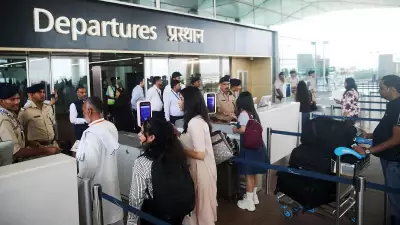
One of the world's busiest travel hubs, Dubai International Airport, descended into chaos as passengers rushed to evacuate following reported Iranian strikes overnight. Disturbing videos circulated showing panicked travelers running through airport concourses as smoke spread through terminal areas. The footage captured people fleeing through smoke-filled passageways, with water from activated smoke alarms collecting on floors.
While airport authorities did not immediately specify the exact cause of the evacuation, aviation sources informed Reuters that an overnight Iranian attack had damaged one of the terminals. Dubai Airports later confirmed that a concourse sustained "minor damage" and that emergency response teams were "immediately deployed" during Sunday's evacuation procedures.

Eyewitnesses reported to CNN that ambulances rushed toward the airport following the incident. Dubai Airports has suspended all flights in and out of the city's two main airports until further notice. The Dubai Media Office advised passengers: "Passengers are advised not to travel to the airport at this time and to contact their respective airlines directly for the latest updates regarding their flights."
Additional Attacks Across the Gulf Region
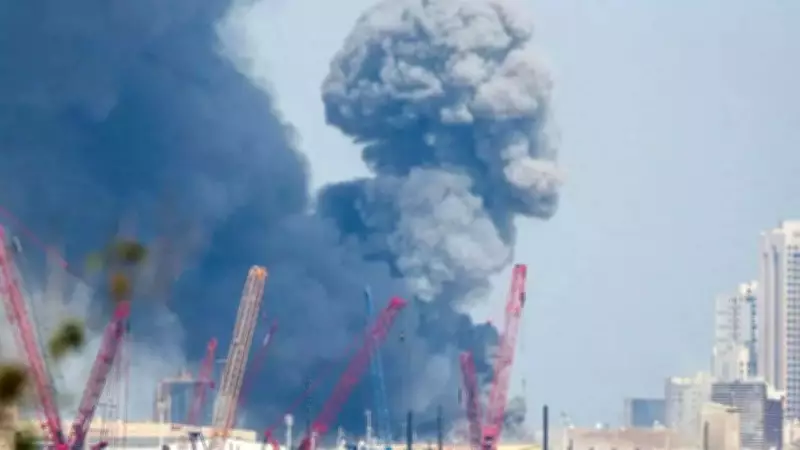
The retaliatory strikes extended beyond Dubai's airport infrastructure. In Dubai's upscale Palm Jumeirah district, an explosion struck the Fairmont Hotel, leaving parts of the luxury property in flames. The incident occurred shortly after verified videos showed what appeared to be a drone diving toward the ground in the area.
In neighboring Qatar, missiles were intercepted over the capital city of Doha on Saturday. Meanwhile, Bahraini officials confirmed that a drone strike damaged Bahrain International Airport. The interior ministry stated the attack caused "material damage without loss of life" and that authorities were securing the affected site. Geolocated videos showed a large fire at a residential high-rise building in Manama.
Regional Airspace Shutdown and Flight Disruptions
A wide corridor of Middle Eastern airspace was closed over the weekend as tensions soared to unprecedented levels. Airlines suspended flights across the region on Saturday, including services to and from Dubai and Abu Dhabi. Flight-tracking maps revealed large stretches of airspace nearly empty, with multiple airports temporarily shutting down operations.
International carriers announced widespread cancellations and disruptions to Middle East routes. These strikes represent a dramatic expansion of the conflict, directly impacting major Gulf travel hubs that have long been viewed as stable and secure gateways in an otherwise volatile region.
Background: Escalating Tensions and Previous Attacks
The Iranian retaliation comes after US and Israeli strikes that began Saturday battered Iranian territory and resulted in the death of Supreme Leader Ayatollah Ali Khamenei. The current strikes specifically targeted territories hosting US military bases, further escalating the already tense situation across the Middle East.
This incident follows a similar pattern of attacks in the region. On February 28, 2026, a drone strike hit Kuwait International Airport (KWI), damaging Terminal 1 and injuring several employees. Kuwait's Directorate General of Civil Aviation confirmed the drone caused limited material damage and minor injuries to airport workers, with authorities immediately activating emergency procedures following the strike.
The coordinated nature of these attacks across multiple Gulf nations suggests a calculated escalation in regional hostilities, with civilian infrastructure and travel hubs becoming unexpected battlegrounds in the expanding conflict between Iran and US-Israeli forces.