Iran's IRGC Launches Major Strikes on US Bases, Escalating Regional Conflict
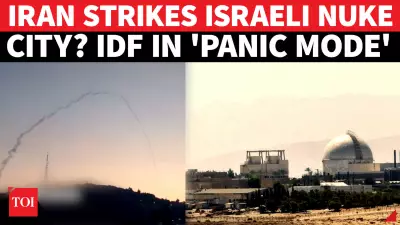
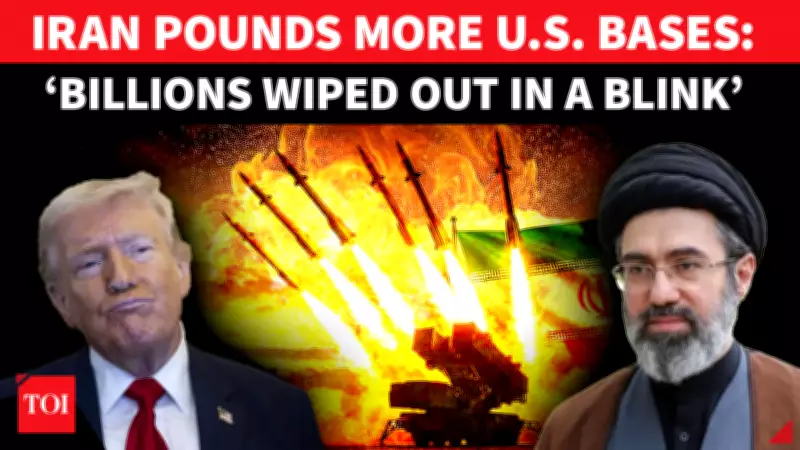
In a significant escalation of hostilities, Iran's Islamic Revolutionary Guard Corps (IRGC) has executed coordinated strikes targeting multiple United States military installations and sites associated with Israel. The attacks, involving a combination of advanced missiles and drones, have reportedly inflicted substantial damage, with preliminary assessments suggesting financial losses could reach billions of dollars.
Details of the Attacks and Potential Impact
According to emerging reports, the strikes were meticulously planned and targeted key strategic assets, including air defense systems, radar installations, and logistical facilities. Visual evidence circulating online depicts scenes of explosions and structural damage, though comprehensive details regarding the full extent of the destruction remain unverified at this time. The offensive is widely interpreted as Iran's latest act of retaliation in an increasingly volatile regional landscape, where tensions have been steadily mounting.
This latest barrage follows a pattern of recent aggressive actions by Iran, signaling a deliberate intensification of its military posture. The potential economic ramifications are severe, with early estimates indicating that the cost to repair or replace damaged military equipment and infrastructure may run into the billions, placing a significant strain on U.S. defense budgets and taxpayer resources.

Broader Context and International Concerns
The attacks occur against a backdrop of heightened friction between Iran and Western powers, particularly the United States and its allies. The exchange of hostilities has raised alarm among international observers and diplomatic circles, who fear that such provocations could precipitate a broader, more devastating regional war. The involvement of Israeli-linked sites further complicates the geopolitical dynamics, potentially drawing other nations into the conflict.
Global markets and security analysts are closely monitoring the situation, as any expansion of the conflict could have far-reaching consequences for international trade, energy security, and global stability. The persistent cycle of attack and counterattack underscores the fragile nature of peace in the region and the challenges of de-escalation.
Looking Ahead: Implications for Regional Security
As both sides assess the damage and consider their next moves, the risk of further military engagements remains critically high. The Iranian strikes demonstrate a continued willingness to challenge U.S. military presence directly, while American and allied forces are likely to reinforce their defensive postures and consider retaliatory measures. This ongoing confrontation not only threatens immediate security but also has the potential to reshape long-term strategic alliances and military deployments in the Middle East.
The international community is urging restraint and dialogue to prevent a full-scale war, but with hostilities intensifying, the path to diplomacy appears increasingly fraught. The coming days will be crucial in determining whether this escalation can be contained or if it marks the beginning of a more extensive and costly conflict.