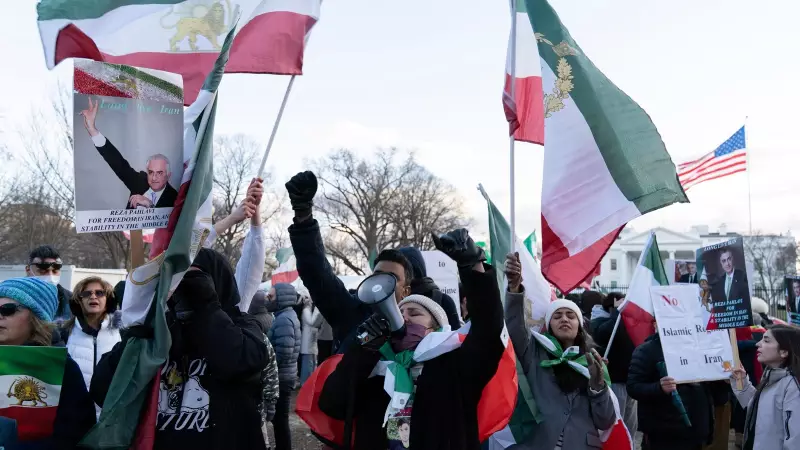
Iran is currently engulfed in its most severe domestic turmoil in recent memory, with nationwide protests now entering a critical third week. What began as demonstrations over economic hardship has rapidly transformed into a broad-based challenge to the authority of the Islamic Republic, pushing the country toward a perilous confrontation both internally and on the global stage.
From Market Anger to Nationwide Uprising
The spark for the current crisis ignited in Tehran's central markets on December 28, 2025. The immediate trigger was the catastrophic plunge of the Iranian rial, which hit a historic low of approximately 1.42 million to the US dollar. This currency collapse caused prices for essential items like food and medicine to skyrocket overnight, compounding public anger that was already simmering due to government-mandated hikes in subsidised gasoline prices earlier in the month.
Shopkeepers and traders, facing unbearable living costs, shut their stalls in protest. This initial economic grievance quickly resonated with a wider, disillusioned population. By December 29 and 30, the demonstrations had spread from the capital to other major urban centres, with police deploying tear gas to disperse growing crowds. The pressure forced the resignation of Iran's central bank chief, and while President Masoud Pezeshkian met business leaders with promises of reform, the streets demanded more tangible action.

A Deadly Escalation and International Threats
As the new year dawned, the protests turned increasingly violent and their scope expanded beyond economic demands. On January 1, 2026, authorities confirmed the first deaths of protesters. In cities like Azna and Fasa, clashes turned deadly, with reports of gunfire and government buildings being stormed. The situation drew immediate international attention, particularly from the United States.
On January 2, 2026, US President Donald Trump issued a stark warning, stating Washington would intervene if Iran used deadly force against demonstrators, famously declaring, "We are locked and loaded and ready to go." This external threat coincided with a decisive hardening of the Iranian regime's stance. The following day, Supreme Leader Ayatollah Ali Khamenei declared that "rioters must be put in their place," a statement widely seen as a green light for a severe crackdown.
The government's response intensified dramatically. Internet access and international calls were cut, creating an information blackout. Human rights groups reported surging casualties and mass arrests. By January 11, 2026, activists estimated the death toll had risen above 544 people, with thousands more detained. Iran's attorney general escalated the rhetoric further, labelling demonstrators as "enemies of God," a charge that carries the death penalty.
Economic Desperation Fuels Political Fury
At the heart of this upheaval lies a profound economic collapse. The protests have laid bare the deep fragility of Iran's economy, crippled by soaring inflation, fuel price hikes, and the collapsing currency. This economic desperation has fused with long-standing political frustrations, creating a volatile mix that now directly challenges the foundations of the state. The involvement of diverse groups—from bazaar merchants to students, workers, and the unemployed youth—signals a widespread loss of patience with the establishment.
In a remarkable diplomatic twist, President Trump later claimed that Tehran had approached Washington seeking talks following his threats of military action. This claim, yet to be independently verified, underscores how the internal crisis has spilled over into Iran's fraught foreign relations, adding another layer of complexity and danger to an already explosive situation.

The three-week timeline reveals a rapid and tragic escalation: from market protests over the value of the rial to a bloody nationwide confrontation that has resulted in one of the deadliest episodes of unrest in Iran for years. The regime faces a dual crisis of collapsing economic credibility and mounting popular anger, while the world watches the potential for further escalation both within Iran's borders and beyond.