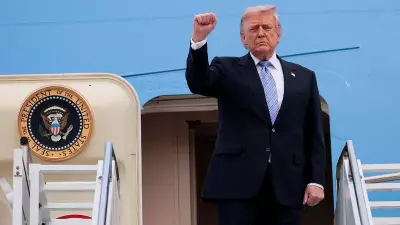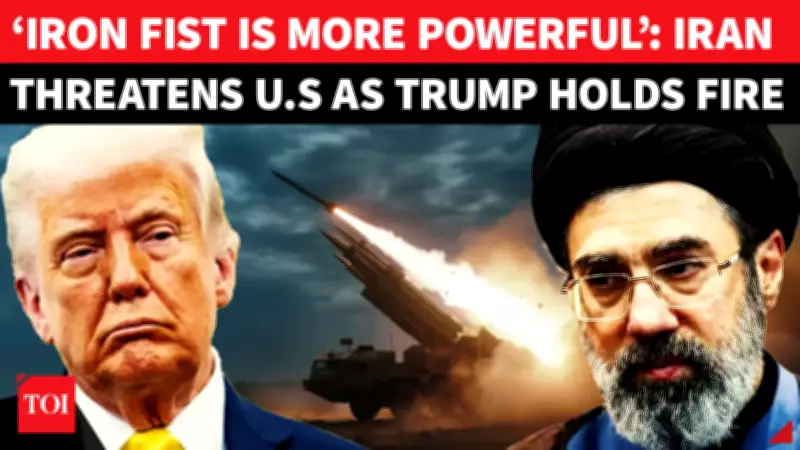
Iran issued a sharp warning to the United States and its allies on Tuesday after President Donald Trump confirmed he had temporarily paused a planned attack on Tehran amid ongoing diplomatic discussions. Iranian commander Major General Ali Abdollahi vowed a swift, decisive, and powerful response to any renewed aggression, stating there would be no miscalculation on Iran's part.
Trump Confirms Pause in Military Action
President Trump acknowledged that he had ordered a halt to a planned strike on Iranian targets, citing requests from regional allies including Saudi Arabia, Qatar, and the United Arab Emirates. These nations urged a short delay to allow more time for diplomatic negotiations to resolve the escalating crisis. Trump's decision comes as his administration continues to push for a new nuclear deal with Tehran, though talks have reportedly stalled.
Iranian Military Leadership Responds
Major General Ali Abdollahi, a senior commander in Iran's armed forces, delivered a stern warning during a televised address. He emphasized that Iran's response to any attack would be both immediate and devastating. 'We will not hesitate to defend our nation with all our might,' Abdollahi stated. 'Any act of aggression will be met with a swift, decisive, and powerful retaliation.'

Regional Dynamics and Diplomatic Efforts
The pause in military action has temporarily lowered the risk of a full-scale conflict, but tensions remain high across the region. Saudi Arabia, Qatar, and the UAE have been actively mediating between Washington and Tehran, seeking to prevent a war that could destabilize the entire Middle East. Meanwhile, European allies have also urged restraint, with France and Germany calling for renewed negotiations.
Global Reactions and Concerns
The international community has reacted with a mix of relief and caution. The United Nations Secretary-General welcomed the pause but warned that the situation remains volatile. In Tehran, hardliners have criticized any diplomatic engagement with the US, while reformists see an opportunity for a peaceful resolution. Analysts suggest that Trump's decision may be a tactical move to strengthen his negotiating position, but the underlying issues remain unresolved.
Escalation Risks and Military Posturing
Despite the temporary halt, both sides continue to posture militarily. The US has maintained a significant naval presence in the Persian Gulf, while Iran has conducted missile drills and warned of closing the Strait of Hormuz. The region remains on edge, with fears that any miscalculation could trigger a broader conflict. As negotiations continue and rhetoric intensifies, the prospect of a military confrontation looms large.
In related developments, Singapore's Prime Minister Lawrence Wong issued an alarming warning about the potential for more escalation, destruction, and uncertainty in the region. Meanwhile, Trump has reiterated his call for Iran to return to the negotiating table, stating that the 'clock is ticking' for a diplomatic solution.