Iran's highest legal authority has issued a stark warning to the nation's ongoing protest movement, threatening a significant escalation in the government's crackdown. Attorney General Mohammad Jafar Montazeri declared that demonstrators are effectively 'waging war against God', a charge that carries severe legal and theological weight in the Islamic Republic.
A Stern Warning from the Top Prosecutor
In a strongly worded statement, Attorney General Montazeri made it clear that the state's response to the protests would intensify. He emphasized that authorities would employ all available means to suppress what he described as 'sedition'. This rhetoric signals a potential shift towards even harsher measures against the widespread demonstrations that have gripped the country for weeks.
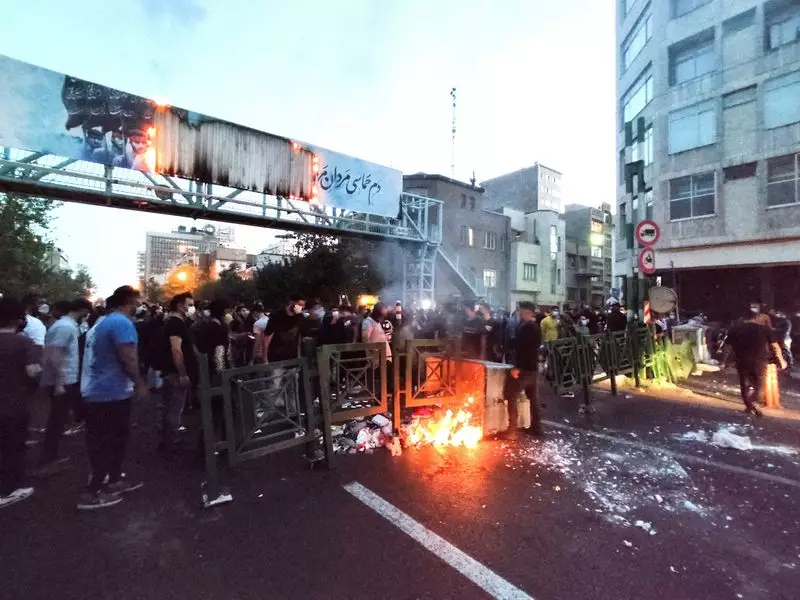
The protests, which represent one of the most significant challenges to Iran's clerical leadership in years, were ignited by the tragic death of 22-year-old Mahsa Amini in mid-September. Amini died in the custody of the country's morality police after being detained for allegedly violating Iran's strict dress code for women. Her death has become a rallying cry for a broader movement demanding fundamental changes and greater personal freedoms.

The Legal and Theological Justification for a Crackdown
By framing the protests as 'war against God' or 'moharebeh', the Attorney General is invoking a serious charge under Iran's Islamic penal code. This accusation is not merely political; it is a religious condemnation that can justify the most severe punishments. The term implies that the dissent is not just against the government but against the divine order itself, providing a potent ideological justification for a ruthless state response.
Montazeri's warning suggests that security forces, including the police and the powerful Islamic Revolutionary Guard Corps (IRGC), are being given a green light to increase their pressure on protesters. Reports from human rights groups already indicate a violent crackdown, with hundreds arrested and dozens killed since the unrest began. This new statement implies that the situation could deteriorate further.
International Concern and Domestic Resolve
The international community has watched the unfolding events in Iran with growing alarm. Many Western nations have condemned the violence against protesters and imposed sanctions on Iranian officials linked to the crackdown. However, the latest statement from Iran's Attorney General demonstrates the regime's unwavering resolve to quell the dissent from within, seemingly undeterred by foreign pressure.
The protests have uniquely persisted across the nation, drawing participants from various segments of society, including students, workers, and even some public figures. The movement's core demand has evolved from justice for Mahsa Amini to calls for an end to clerical rule, making it a direct existential challenge to the foundations of the Islamic Republic.
Analysts believe that Montazeri's harsh rhetoric is aimed at two audiences: the domestic populace, to instill fear and discourage further participation in protests, and the hardline factions within the government, to reassure them of the state's uncompromising stance. The coming days will be critical in determining whether this strategy of escalated force will succeed in silencing the streets or if it will fuel greater public anger and resistance.