Iran's National Security Chief Ali Larijani Killed in Israeli Airstrike
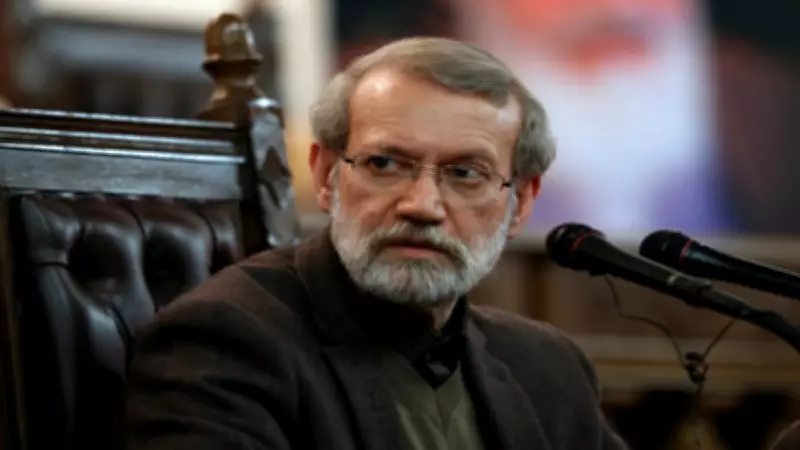
In a significant escalation of the ongoing Middle East conflict, Iran has officially confirmed the death of its national security chief, Ali Larijani, in an Israeli airstrike. The incident occurred amid heightened military tensions and widespread violence in the region, marking a critical development in the war that has drawn international concern.
Details of the Strike and Confirmation
The Israeli strike targeted a location where Larijani was reportedly present, leading to his immediate death. Iranian authorities released a statement verifying the loss, describing Larijani as a key figure in the country's security apparatus. This attack is part of a series of recent military actions by Israel, which has been engaged in an intense conflict with various factions in the Middle East.
The confirmation from Iran underscores the severity of the situation, as Larijani held a pivotal role in shaping national security policies and strategies. His death is expected to have profound implications for Iran's internal security dynamics and its external relations, particularly with Israel and allied nations.
Background and Role of Ali Larijani
Ali Larijani was a prominent political and security leader in Iran, known for his extensive experience in government and military affairs. He served in various high-ranking positions, including as the head of the national security council, where he was instrumental in overseeing Iran's defense and intelligence operations.
- Larijani played a crucial role in Iran's regional policies, often involved in negotiations and strategic decisions related to conflicts in the Middle East.
- His tenure saw Iran navigate complex geopolitical challenges, including tensions with Israel and other global powers.
- Larijani's death removes a key decision-maker from Iran's security landscape, potentially altering the country's approach to ongoing hostilities.
Impact on the Ongoing War and Regional Stability
The killing of Ali Larijani is likely to exacerbate the already volatile situation in the Middle East. This event could trigger retaliatory measures from Iran, further intensifying the war and risking broader regional instability. International observers are closely monitoring the aftermath, as the conflict shows no signs of abating.
- The strike highlights the increasing frequency and severity of military engagements between Israel and Iranian-linked forces.
- It raises concerns about potential escalations that could involve other countries in the region, leading to a wider conflict.
- The death of such a high-profile figure may influence diplomatic efforts and peace negotiations, complicating resolution attempts.
As the war continues, updates on developments like this are crucial for understanding the evolving dynamics and potential outcomes. The international community is urged to engage in dialogue to prevent further loss of life and destabilization.