Iran's Revolutionary Guard Intensifies Military Campaign Against U.S. Assets in Gulf Region
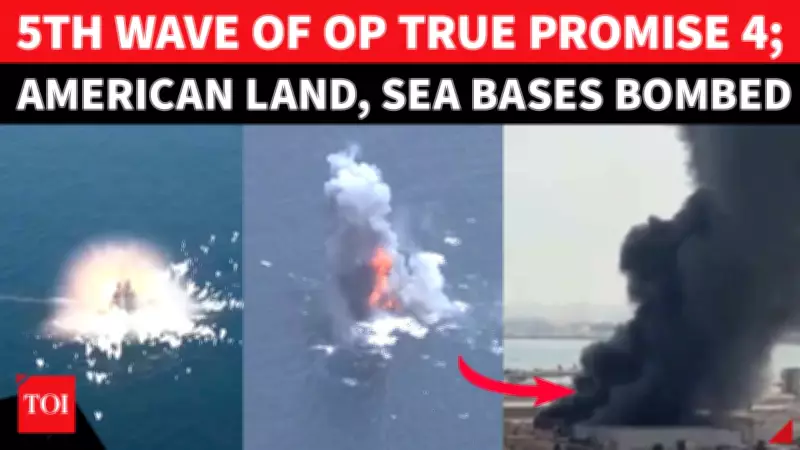
In a significant escalation of regional tensions, Iran's Islamic Revolutionary Guard Corps (IRGC) has launched a series of coordinated military strikes targeting American-linked vessels and bases across three Gulf nations. The operation, dubbed "Operation True Promise 4," comes amid reports of the death of Iran's Supreme Leader Ali Khamenei, though these remain unconfirmed by official sources.
Multiple Strikes on U.S. Military Installations and Supply Vessels
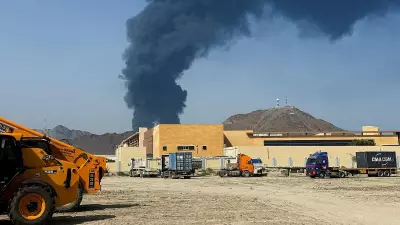
The IRGC claims to have successfully executed drone attacks near the strategic Jebel Ali anchorage, a crucial maritime hub in the region. Additionally, missile strikes have reportedly targeted American-linked military installations in the Gulf area. Iranian military officials have described these actions as part of a broader campaign against U.S. military presence in the region.
Iranian officials have issued stern warnings that these operations will continue, with one senior commander vowing what they termed as "the most ferocious offensive operation in history." This rhetoric suggests a potentially prolonged period of military confrontation in the strategically vital Gulf waters.

Regional Implications and Escalating Tensions
The attacks have raised serious concerns about regional stability and international shipping security. The Gulf region serves as a critical corridor for global energy supplies, with approximately one-third of the world's seaborne oil passing through these waters. Any sustained military conflict in this area could have far-reaching consequences for global energy markets and international trade.
The timing of these strikes appears directly linked to the reported death of Ali Khamenei, though Iranian authorities have not officially confirmed this development. The absence of clear information about the Supreme Leader's status has created uncertainty about Iran's political leadership and military decision-making processes.
Broader Context of Regional Conflict
This latest escalation follows a pattern of increasing tensions between Iran and the United States in the Gulf region. Previous incidents have included attacks on commercial shipping, drone incursions, and missile tests that have tested the security architecture of this strategically vital waterway.
The current operation represents a significant intensification of Iran's military posture in the region, with multiple simultaneous attacks across different Gulf nations. This coordinated approach suggests careful planning and preparation by Iranian military forces.
International Response and Future Developments
As news of these attacks spreads, international observers are closely monitoring the situation for potential responses from the United States and its regional allies. The security implications extend beyond immediate military concerns to broader questions about regional power dynamics and the future of U.S. military presence in the Middle East.
The coming days will likely reveal more details about the extent of damage caused by these strikes and the potential for further escalation. With Iranian officials promising continued operations, the situation remains fluid and potentially volatile, requiring careful diplomatic management to prevent broader regional conflict.