

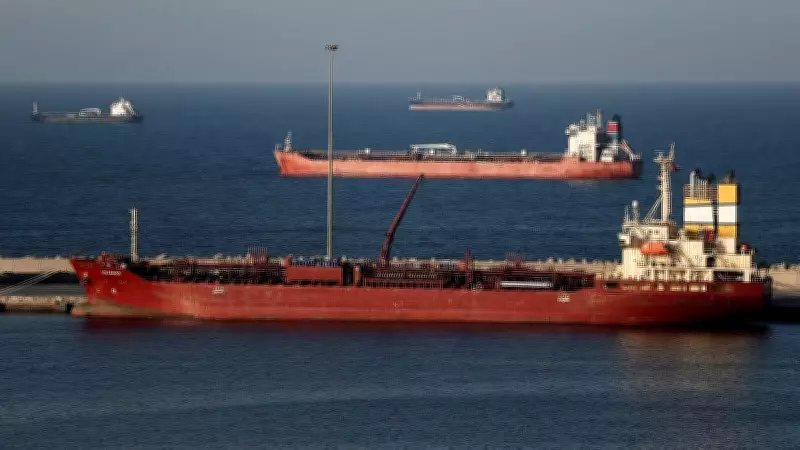
Iran's Crude War: Unleashing an Oil Shock to Blunt US Firepower
For decades, Iran has consistently signaled a formidable strategy in the event of a direct confrontation with its adversaries, particularly the United States. The nation's plan centers on restricting tanker traffic through the Strait of Hormuz, a narrow maritime passage that serves as a critical chokepoint for global oil shipments. This move is designed to exploit the vulnerability of Iran's foes, as disruptions in this region have an immediate and profound impact on worldwide energy markets.
The Strategic Importance of the Strait of Hormuz
The Strait of Hormuz is not just a waterway; it is a linchpin of the global economy. Located between the Persian Gulf and the Gulf of Oman, this strait is a vital conduit for approximately one-fifth of the world's oil supply. Any interference here can trigger rapid price spikes and supply shortages, making it a potent tool in geopolitical conflicts.
Iran's adversaries, including the United States, are acutely exposed in this area because their military and economic interests are heavily reliant on stable oil flows. By threatening to block or hinder tanker movements, Iran aims to create an oil shock that could undermine US military operations and economic stability, thereby leveling the playing field in a potential clash.

Historical Context and Recent Developments
This strategy is not new; Iran has hinted at such actions for years as part of its asymmetric warfare tactics. However, recent tensions have brought this threat back into sharp focus. Analysts note that in a scenario where Iran feels cornered or pushed into a confrontation, implementing this plan could serve as a decisive countermeasure to US firepower.
The implications extend beyond immediate military concerns. A disruption in the Strait of Hormuz would reverberate through:
- Global energy markets, causing volatility and price hikes
- International trade routes, affecting supply chains worldwide
- Diplomatic relations, potentially escalating conflicts in the Middle East
Global Energy Markets on Edge
The potential for an oil shock from Iran has kept global energy markets on high alert. Countries dependent on oil imports from the region are particularly vulnerable, and any sign of instability in the Strait of Hormuz prompts swift reactions from traders and policymakers alike. This underscores the strait's role as a strategic pressure point in international affairs.
In summary, Iran's crude war strategy represents a calculated attempt to use its geographic advantage to counterbalance US military dominance. By targeting the Strait of Hormuz, Iran seeks to wield oil as a weapon, demonstrating how energy security remains a pivotal factor in modern geopolitical confrontations.






