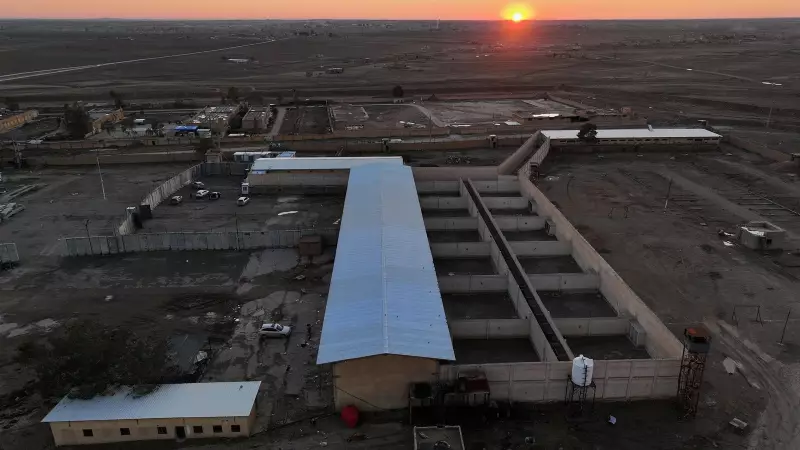
Iraq to Prosecute ISIS Militants Transferred from Syria to Baghdad
In a significant development, Iraqi authorities have declared their intention to prosecute Islamic State (ISIS) militants who are being moved from Syria to Iraq. This move underscores Iraq's commitment to addressing terrorism-related crimes and ensuring justice for the atrocities committed by the extremist group.
Transfer of Militants from Syria to Iraq
The process involves the transfer of ISIS militants from detention facilities in Syria to Iraq, specifically to Baghdad. This initiative is part of broader regional efforts to manage the aftermath of the Islamic State's decline and hold its members accountable for their actions. The militants are being relocated to face legal proceedings in Iraqi courts, which have experience in handling terrorism cases.
Legal Framework and Prosecution Plans
Iraq has a robust legal system for prosecuting terrorism offenses, and authorities plan to utilize this framework to try the transferred militants. The prosecutions will focus on crimes such as violence, human rights abuses, and other acts of terrorism linked to ISIS activities in both Iraq and Syria. This step aims to deliver justice to victims and reinforce the rule of law in the region.

Implications for Regional Security and Justice
The transfer and prosecution of ISIS militants from Syria to Iraq have important implications for regional security and justice. By taking responsibility for these cases, Iraq is helping to stabilize the area and prevent the militants from evading accountability. This action also supports international efforts to combat terrorism and promote peace in conflict-affected zones.
Challenges and Future Steps
While the prosecution plans are a positive step, challenges remain, including ensuring fair trials and managing the logistical aspects of the transfers. Iraqi authorities are working with international partners to address these issues and strengthen the judicial process. Future steps may involve continued cooperation with Syria and other nations to handle similar cases effectively.