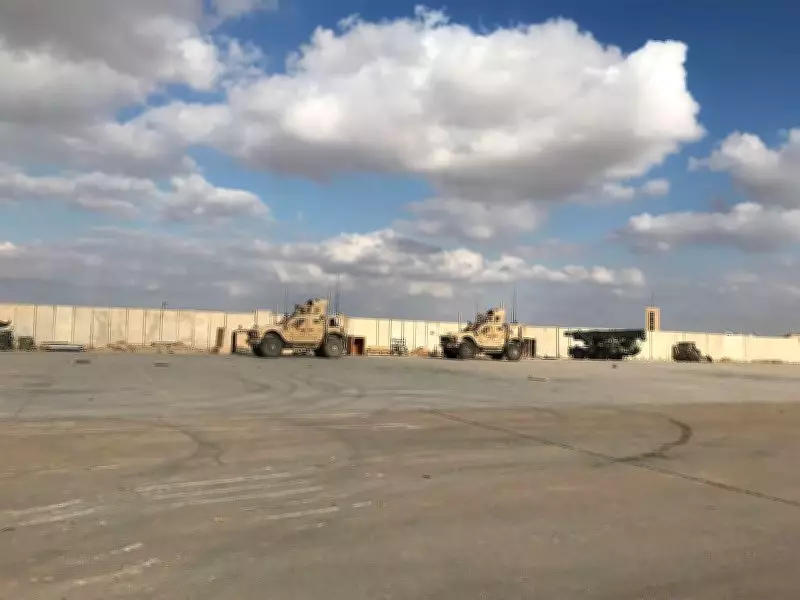
Iraqi Shiite Militia Claims Strikes on US Bases in Erbil and Baghdad
The Saraya Awliya al-Dam group, an Iraqi Shiite militia, has asserted responsibility for a series of strikes targeting American military installations in Iraq, as reported by Al Jazeera on Sunday. The group, which has been active in Iraq since the US-led invasion in 2003 that toppled Saddam Hussein, cited retaliation for the killing of Iran's former Supreme Leader Ayatollah Ali Khamenei and the deaths of its own fighters as the motive behind the attacks.
Details of the Militia's Claims
According to the group, the offensive involved coordinated strikes on multiple locations, including a US site in the northern city of Erbil and the Victoria Base at Baghdad International Airport. These claims highlight escalating tensions in the region, with Shiite militias increasingly targeting US interests in Iraq. Saraya Awliya al-Dam is among several such groups operating in the area, often aligning with Iranian-backed factions.
US Military Confirms Aircraft Crash Amid Conflicting Narratives
In a related development, the United States Central Command (CENTCOM) confirmed on Friday that all six crew members aboard a US KC-135 refueling aircraft that crashed in western Iraq on March 12 have died. The aircraft was lost while flying over friendly airspace during Operation Epic Fury, a US-led military operation aimed at dismantling security threats from the Iranian regime. CENTCOM stated that the incident is under investigation but emphasized it was not caused by hostile or friendly fire.

Operation Epic Fury has been described as a targeted effort to prioritize locations posing imminent threats, with CENTCOM noting that two aircraft were involved in the incident. One aircraft went down in western Iraq, while the second landed safely. The command has withheld the names of the deceased service members until at least 24 hours after their families are notified.
Iran's Contradictory Account of the Crash
Contrary to the US statement, Iran's state media has presented a conflicting narrative regarding the KC-135 crash. Citing a spokesman for the Central Headquarters of Iran's Military, reports claimed that the refueling plane was shot down by a missile fired by resistance groups in western Iraq. The spokesperson further asserted that all six service members on board were killed.
The Public Relations Department of the Islamic Revolution Guard Corps (IRGC) supported this claim in a separate statement, as reported by Press TV. The IRGC stated that air defense systems of the Resistance Front successfully targeted the Boeing KC-135 Stratotanker while it was refueling an aggressor fighter jet. This discrepancy adds to the complexity of the situation, with both sides offering divergent explanations for the same event.
Regional Implications and Ongoing Tensions
These developments occur against a backdrop of heightened regional aggression and military engagements. The claims by Saraya Awliya al-Dam underscore the volatile security environment in Iraq, where US forces continue to face threats from various militia groups. The KC-135 crash, regardless of its cause, represents a significant loss for the US military and highlights the risks associated with ongoing operations in the Middle East.
As investigations proceed, the conflicting accounts from US and Iranian sources may further strain diplomatic relations and fuel instability in the region. The situation remains fluid, with potential for additional escalations as both sides navigate these challenging circumstances.