

Iraq's Kataib Hezbollah Issues Dire Warning Over Strait of Hormuz
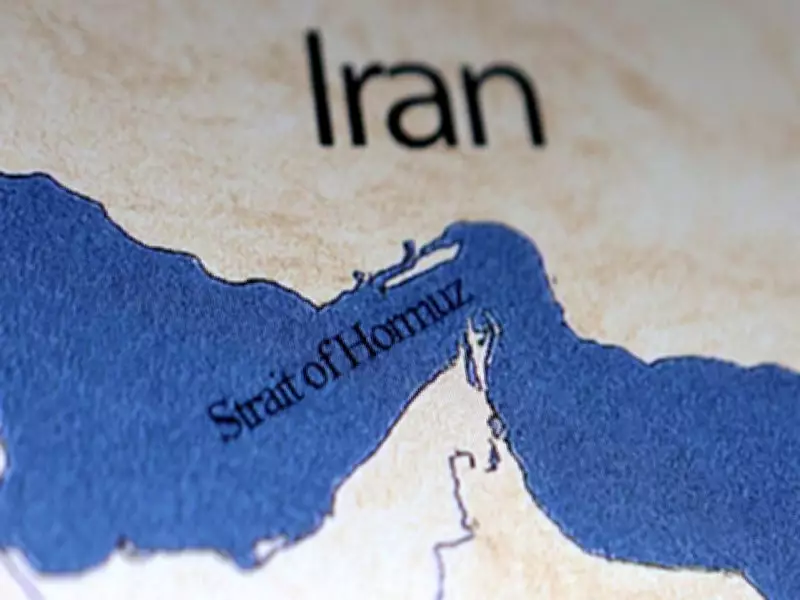
In a significant escalation of tensions in the Middle East, Iraq's Kataib Hezbollah, a powerful Iran-backed militia, has issued a stark and unambiguous warning. The group has explicitly threatened to target and destroy energy facilities if any attempts are made to forcibly reopen the strategic Strait of Hormuz. This vital maritime passage, located between the Persian Gulf and the Gulf of Oman, serves as a critical global chokepoint for the transportation of approximately one-fifth of the world's oil supply.
A Strategic Threat to Global Energy Security
The statement from Kataib Hezbollah represents a direct challenge to regional stability and international energy security. The militia's warning underscores its readiness to employ aggressive tactics to influence geopolitical outcomes in the area. Any military or coercive action aimed at reopening the strait could trigger a severe retaliatory response, potentially involving attacks on oil infrastructure, refineries, and export terminals across the region.
This development occurs against a backdrop of heightened regional conflicts and ongoing disputes over maritime sovereignty. The Strait of Hormuz has long been a flashpoint, with its closure or disruption posing catastrophic risks to global oil markets and economic stability. Kataib Hezbollah's alignment with Iranian interests further complicates the situation, as Iran has previously threatened to block the strait in response to international sanctions or military threats.

Implications for Regional and International Relations
The threat from Kataib Hezbollah carries profound implications for diplomatic and security dynamics in the Middle East. It signals the group's intent to act as a formidable non-state actor capable of influencing major international waterways. This warning may be interpreted as a deterrent against foreign intervention or as a bargaining chip in broader geopolitical negotiations.
Key stakeholders, including the United States, Gulf Cooperation Council (GCC) countries, and global energy consumers, are likely monitoring the situation with heightened concern. The potential for conflict escalation could necessitate increased naval patrols, diplomatic engagements, and contingency planning to safeguard energy supplies.
- Global Oil Markets: Any attack on energy facilities could lead to immediate spikes in oil prices, supply disruptions, and market volatility.
- Regional Security: The threat exacerbates existing tensions between Iran-backed groups and other regional powers, risking broader military confrontations.
- International Response: Nations reliant on Hormuz oil shipments may need to reassess their energy security strategies and diplomatic approaches.
In conclusion, Kataib Hezbollah's warning marks a dangerous new phase in the ongoing struggle for control over the Strait of Hormuz. The group's readiness to target energy infrastructure highlights the fragile nature of global energy corridors and the escalating risks of conflict in the Middle East. The international community must navigate this volatile landscape with caution to prevent a crisis that could have far-reaching economic and security consequences.






