

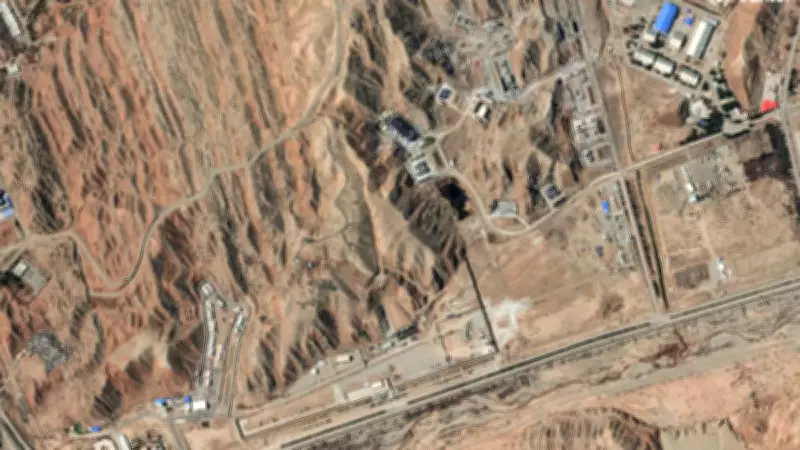
Israel Claims Responsibility for Strikes on Iran's Taleghan Nuclear Compound
In a significant escalation of tensions in the Middle East, Israel has publicly claimed responsibility for a series of strikes targeting what it describes as a critical nuclear weapons development site in Iran. The alleged attacks focused on the Taleghan compound, a facility that has long been under international scrutiny for its suspected role in Iran's nuclear program.
Details of the Alleged Strikes
According to statements from Israeli officials, the operation was conducted with precision, aiming to disrupt activities at the Taleghan nuclear facility. Israel asserts that this site is not for peaceful energy purposes but is actively involved in the research and development of nuclear weapons, a claim that Iran has consistently denied. The timing and exact nature of the strikes remain unclear, but they are reported to have caused significant damage to infrastructure at the compound.
This incident follows a pattern of covert actions between the two nations, with previous reports of sabotage and cyberattacks targeting Iran's nuclear infrastructure. The Taleghan facility, located in the Alborz Mountains, has been a focal point of concern for international observers due to its remote location and alleged military applications.

Iran's Response and International Reactions
Iran has not yet issued an official statement regarding the alleged strikes, but past responses to similar incidents have involved denials of any illicit nuclear activities and accusations of foreign aggression. The Iranian government maintains that its nuclear program is solely for civilian purposes, such as energy production and medical research, in compliance with international agreements.
International reactions are expected to be mixed, with key players likely to weigh in on the situation:
- United States: Historically, the U.S. has supported Israel's security concerns while urging diplomatic solutions to nuclear disputes.
- European Union: May call for restraint and adherence to the Joint Comprehensive Plan of Action (JCPOA), the nuclear deal with Iran.
- Regional Allies: Countries like Saudi Arabia and the UAE might express support for actions countering Iran's nuclear ambitions.
Background and Implications
The Taleghan compound has been a subject of controversy for years, with intelligence reports suggesting it houses advanced centrifuges and other equipment potentially used for uranium enrichment. Israel's decision to publicly claim responsibility marks a shift from its usual policy of ambiguity in such operations, possibly intended to send a strong deterrent message to Tehran.
This escalation comes amid ongoing regional conflicts and stalled nuclear negotiations. The implications are far-reaching:
- Increased Military Tensions: The strikes could provoke retaliatory measures from Iran, heightening the risk of open conflict.
- Impact on Nuclear Diplomacy: Efforts to revive the JCPOA or negotiate new agreements may be further complicated.
- Global Security Concerns: The incident underscores the volatile nature of nuclear proliferation in the Middle East.
As the situation develops, analysts warn that such actions could destabilize the region, prompting calls for renewed diplomatic engagement to prevent a broader crisis. The international community will be closely monitoring Iran's response and any subsequent developments at the Taleghan facility.






